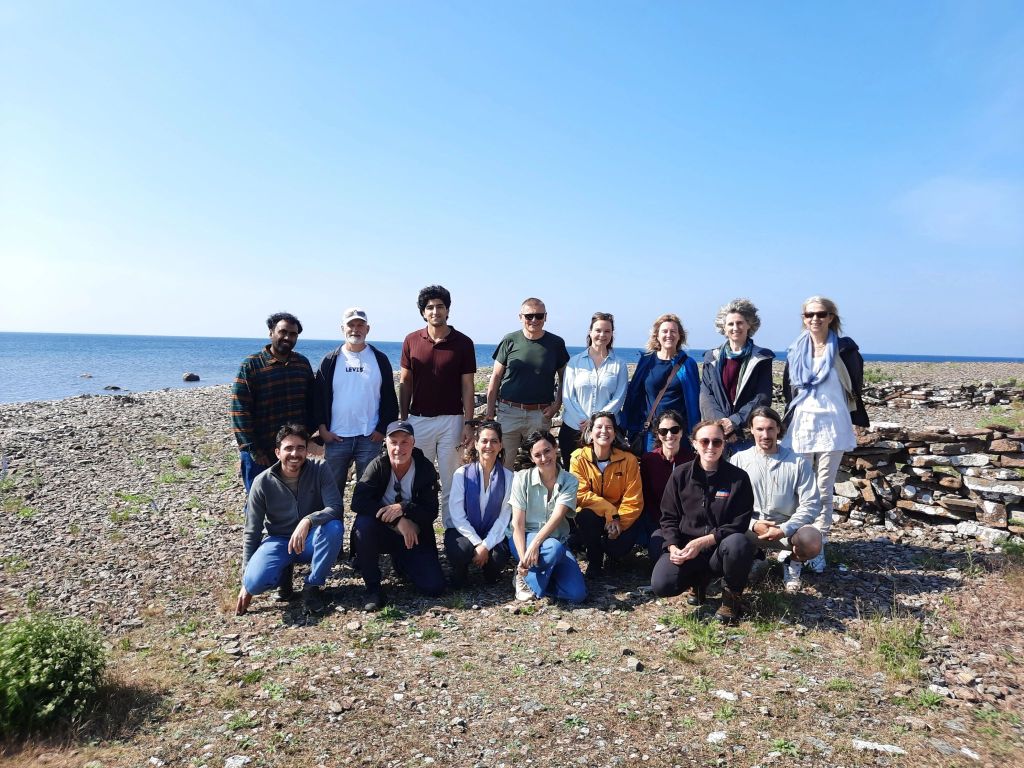
Between June 2nd and 4th, we had our 4th in-person meeting. This time traveling to our northernmost partner country, Sweden. We were very lucky to enjoy warm, sunny days. While a sunny Sweden might sound surprising to some, this area is actually the driest in the country, receiving only around 500 mm of precipitation per year.
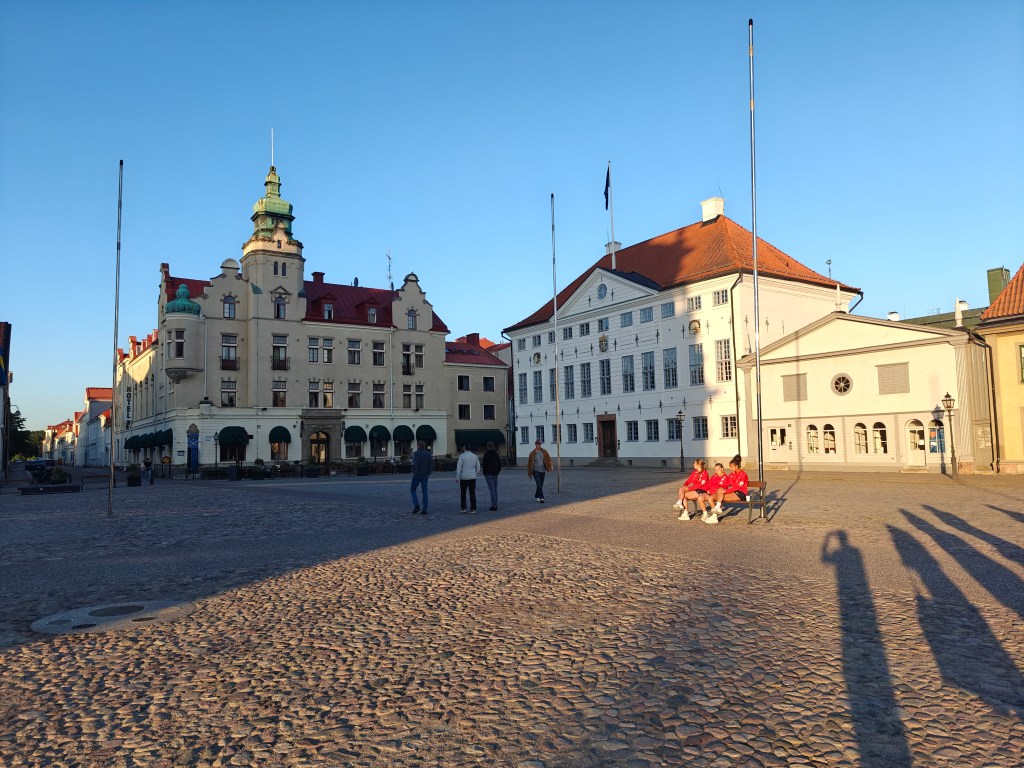
Our host city, Kalmar, was incredibly welcoming. A small, peaceful, and highly walkable town that typically serves as a popular summer destination, it charmed us all with its picturesque houses and relaxed atmosphere.
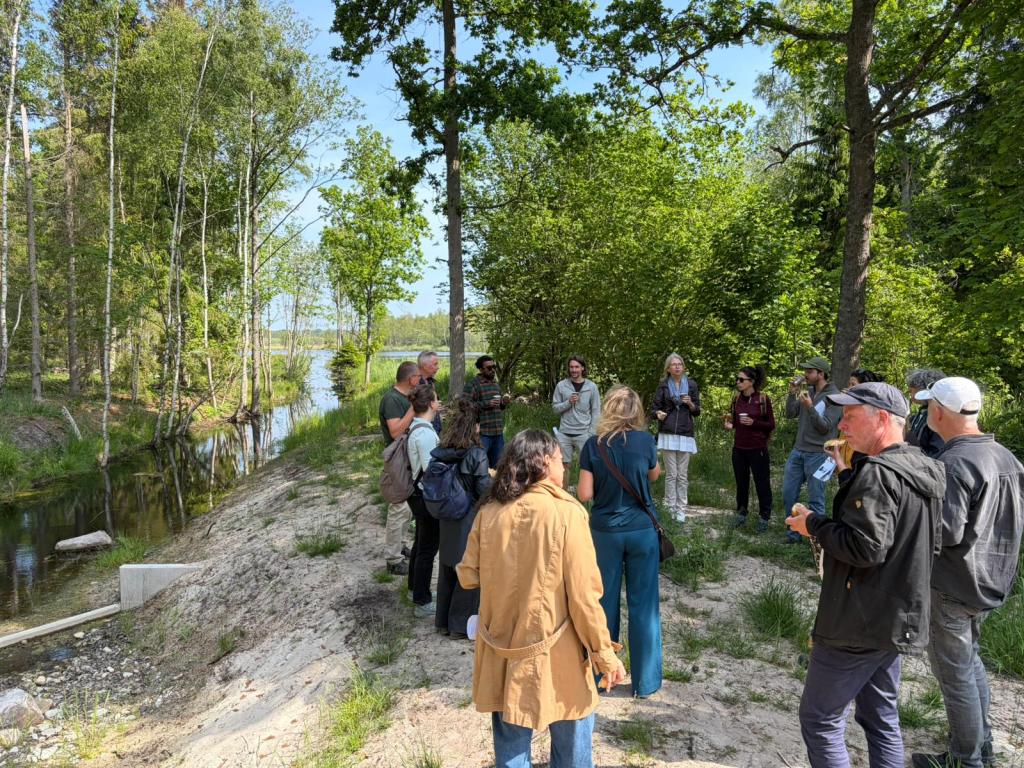
As with every in-person meeting, a key highlight was the field trip to ground our research into local realities. Our guides took us across the bridge to the Öland island, severely impacted by the historic drought of 2016, when trucks had to provide emergency water while a pipeline from the mainland was built in record time. This event also triggered long-term technological and nature-based adaptive responses. We learned how wetlands—most of which had historically been drained to make way for agriculture—are now being actively restored to enhance both water quantity and quality. These efforts are crucial, as Öland faces the complex challenge of balancing unique, climate-stressed ecosystems with a growing population and the largest share of arable land in Sweden. In addition, a couple of desalination plants further secure the local water supply, increasing resilience against future dry spells.
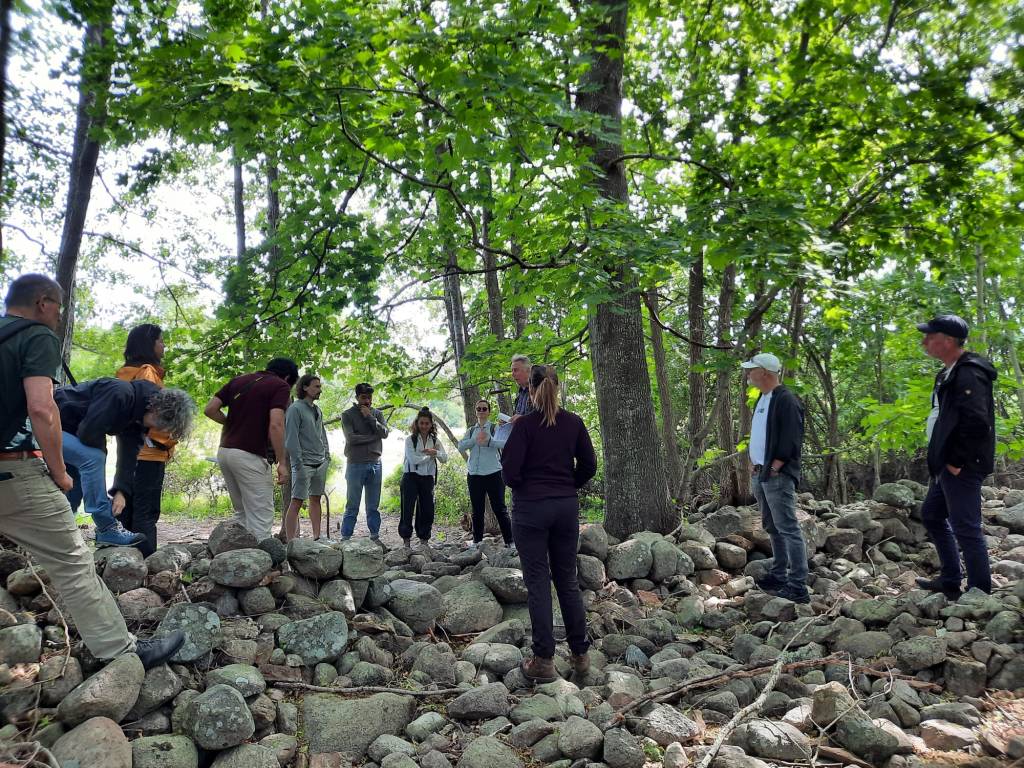
We also had the chance to explore the island’s rich heritage at the Vedby Borg. Centuries ago, this historic ringfort was used by the Vikings as a vital place for defence, gathering, and celebrating.
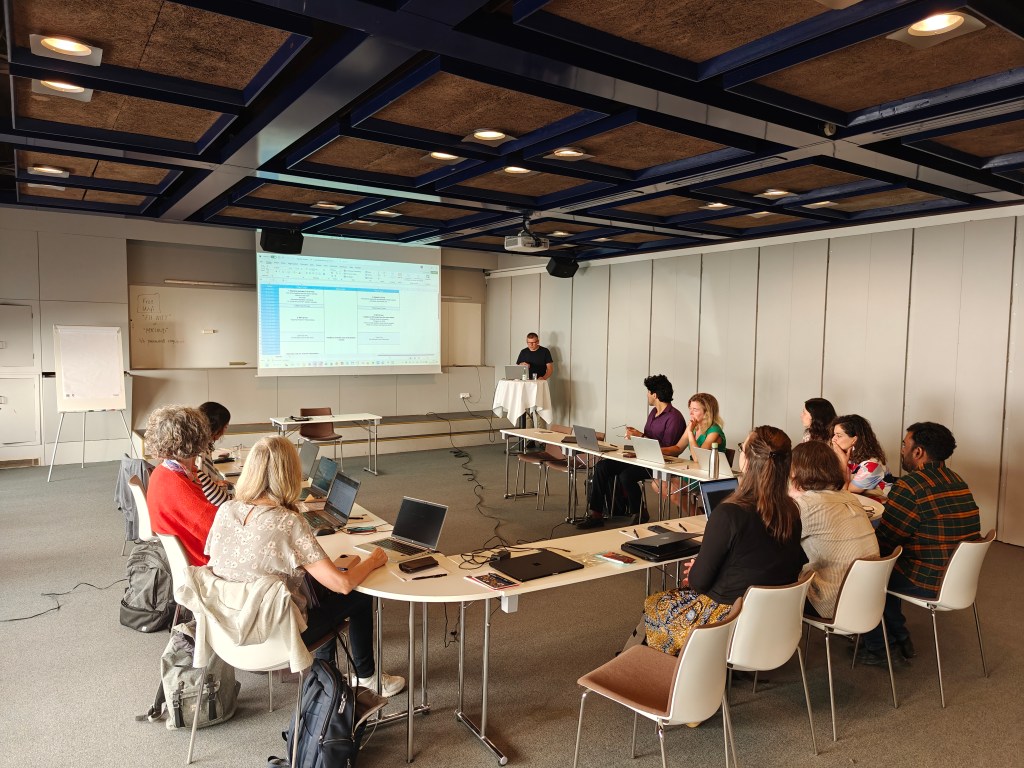
Back in the meeting room, the event was the perfect occasion to check the project’s overall progress and deep-dive into the details and methodologies of several upcoming papers. These forthcoming publications span the full, interdisciplinary nature of GroundedExtremes, ranging from groundwater dynamics and time series models to water governance frameworks and socio-hydrological modelling.
Keep an eye on our space, because papers are coming soon!