Dutch case study stakeholder workshop

The first workshop of the GroundedExtremes project was organised in collaboration with RESHAPE, RESTART’in, and WaterScape, and focused on identifying solutions to strengthen the resilience of the North Brabant Province to climate extremes and especially drought. The workshop brought together a broad range of stakeholders, including representatives from the province, water boards, municipalities, the drinking water company, farmer organisations, and academia.

To structure the discussions, participants worked in small groups and explored three future horizons. Horizon 1 represented a business-as-usual trajectory, in which current practices and policies continue essentially unchanged. Horizon 3 described an ideal future in which landscapes are well adapted to climate extremes. Among these, Horizon 2 focused on disruptive innovations and the transitional pathways needed to move from the present toward that ideal future. This framing encouraged participants to think beyond incremental improvements and consider more fundamental changes.
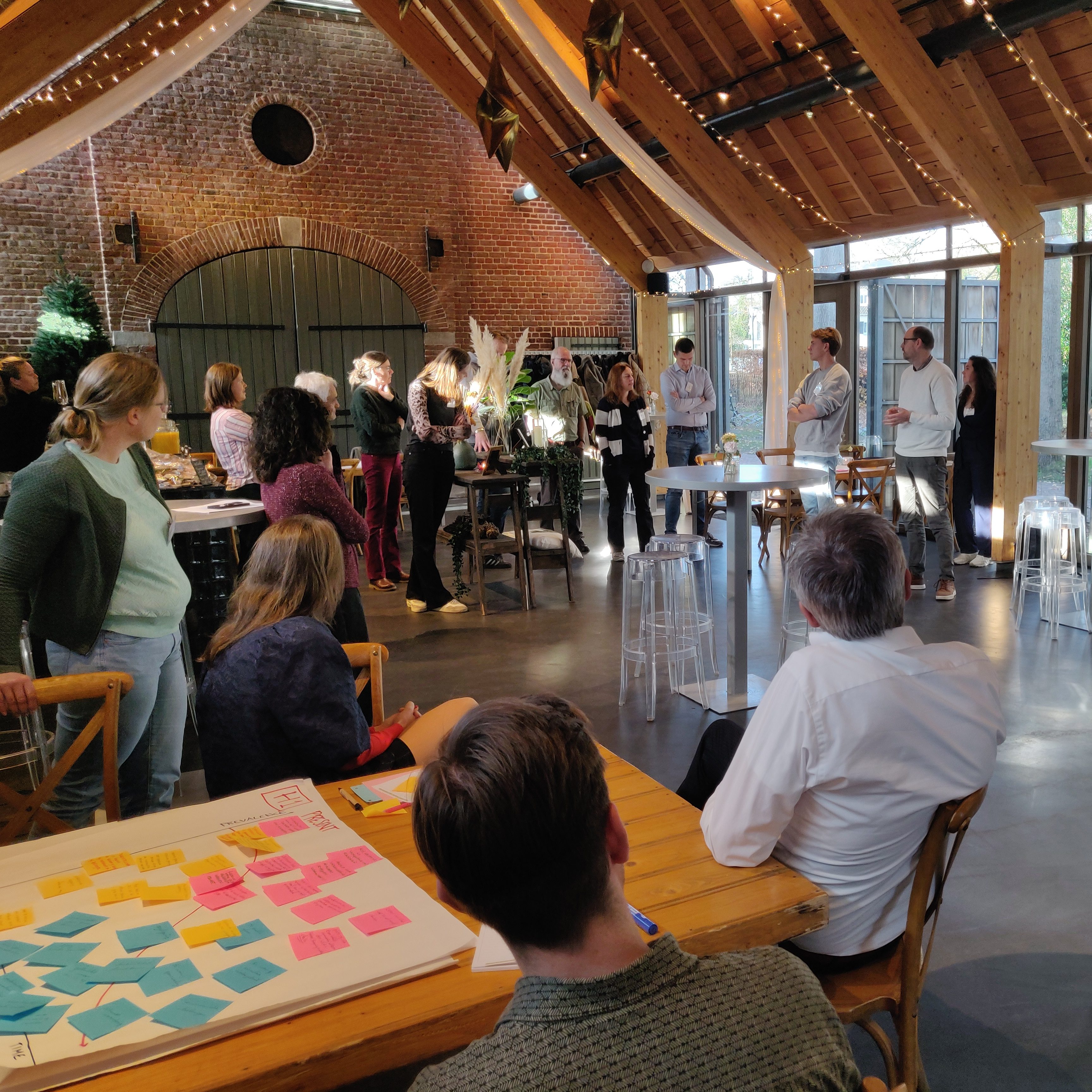
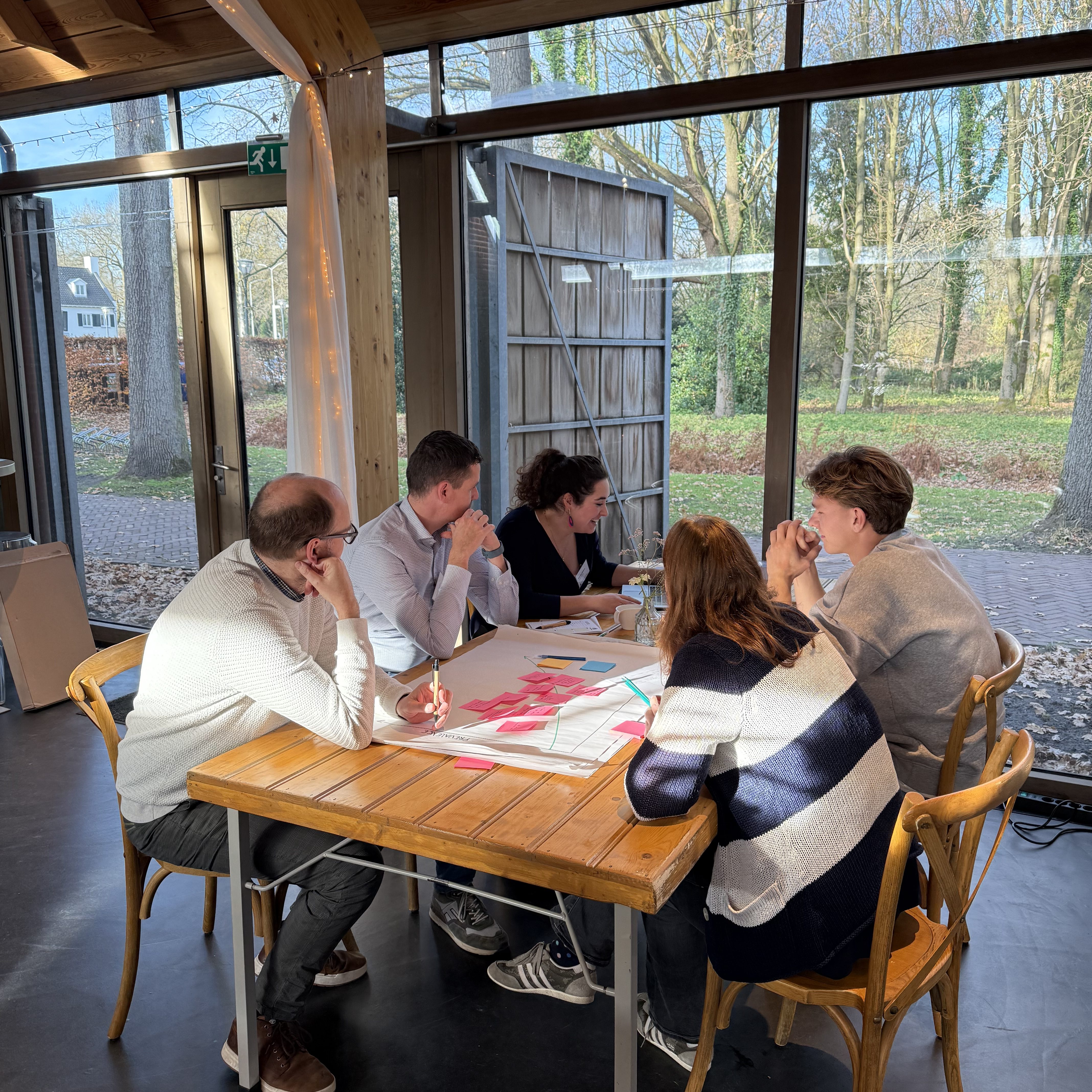
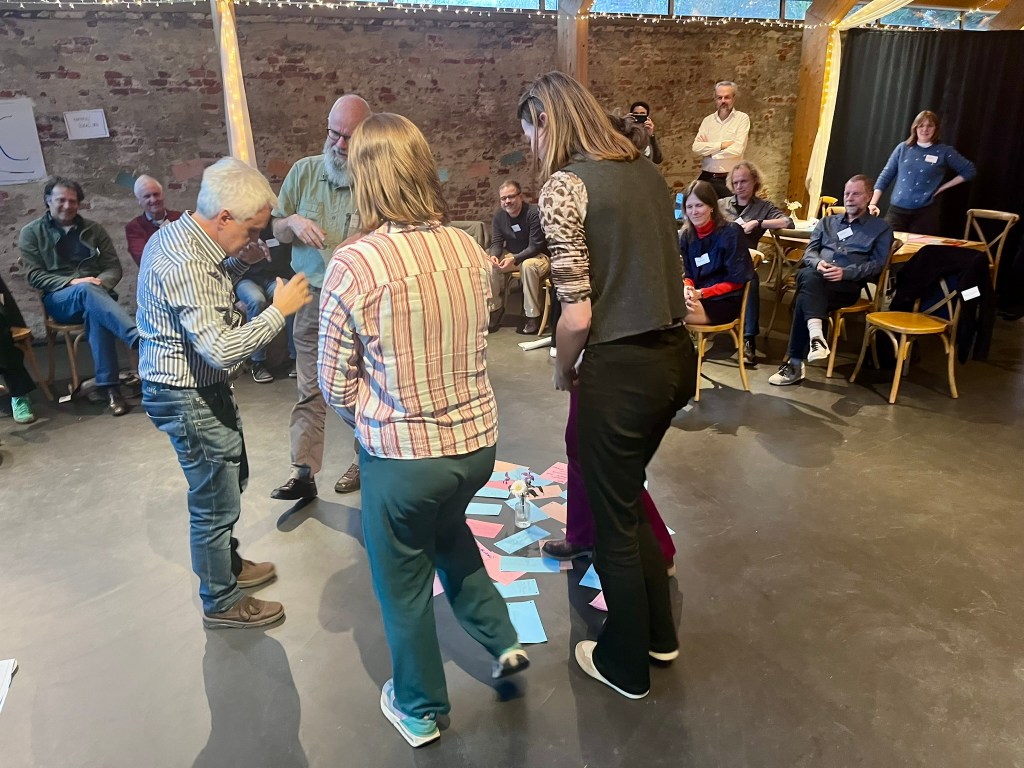
General stakeholder discussion about activity findings (Left), and group working on their horizons (right).

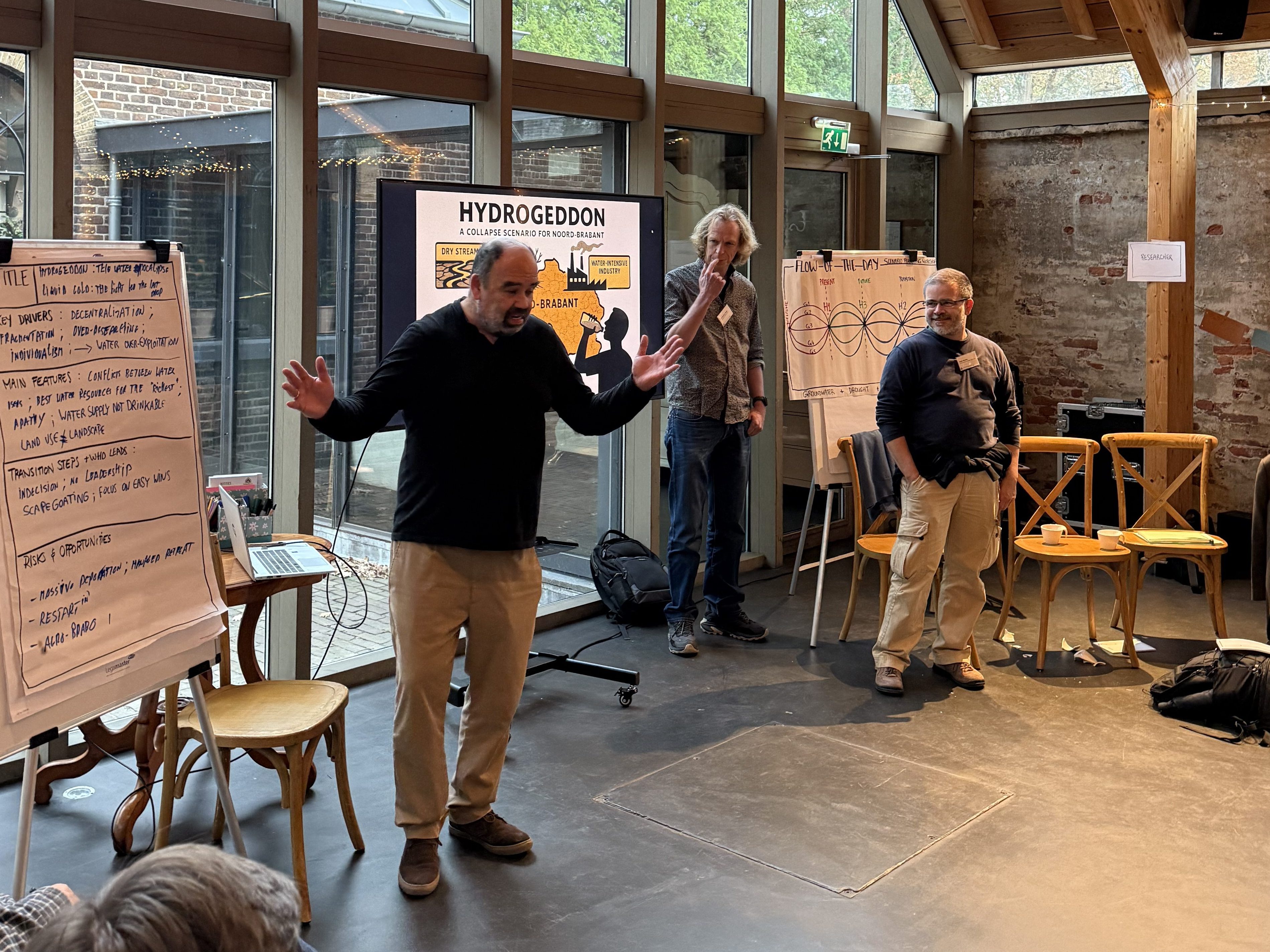
Short presentations from the organising projects helped set the scene and broaden the scope of the discussions. These inputs aimed at challenging conventional thinking. For example, Noor Hendriks from WaterScape encouraged participants to imagine disruptive futures that go beyond existing vision documents for Dutch waterscapes, which often converge on similar images and solutions.
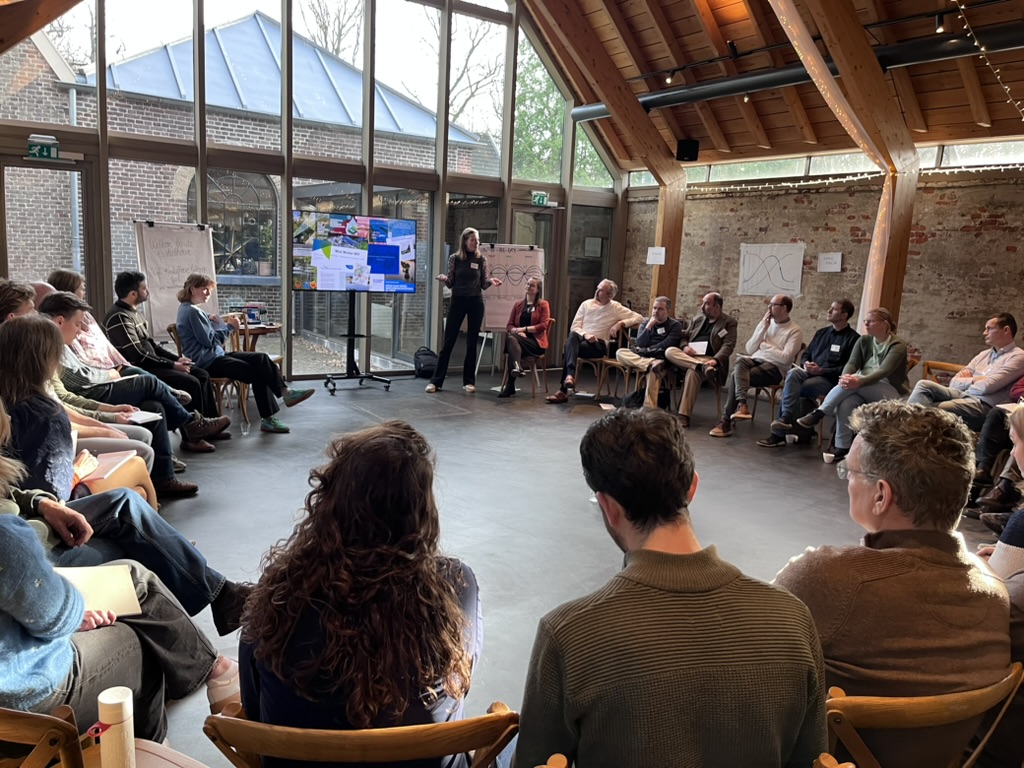
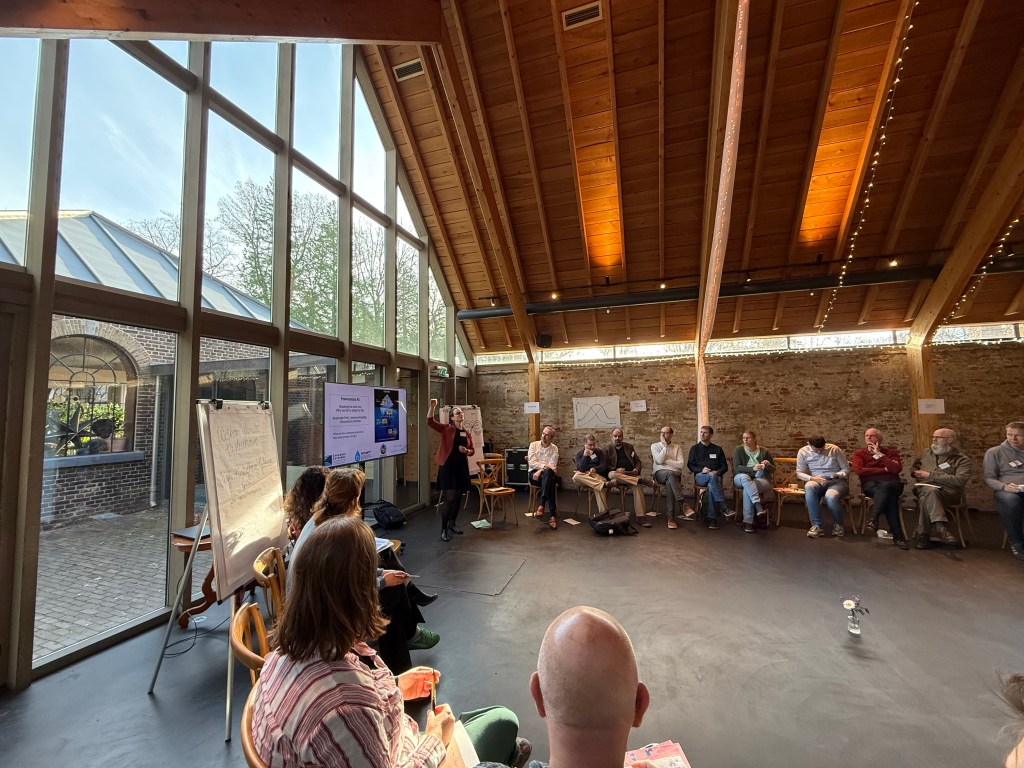
Noor Hendriks (left) and Johanna Koehler from GroundedExtremes (right) provoking the participants to think beyond existing visions and reflect on lock-ins.

The workshop was designed as a fun, interactive, and safe environment in which creativity played a central role. Through group games and creative exercises guided by Dona Geagea, participants were encouraged to step outside their usual professional perspectives. The outcomes were presented in unconventional ways, including poems, short performances, and the use of AI.
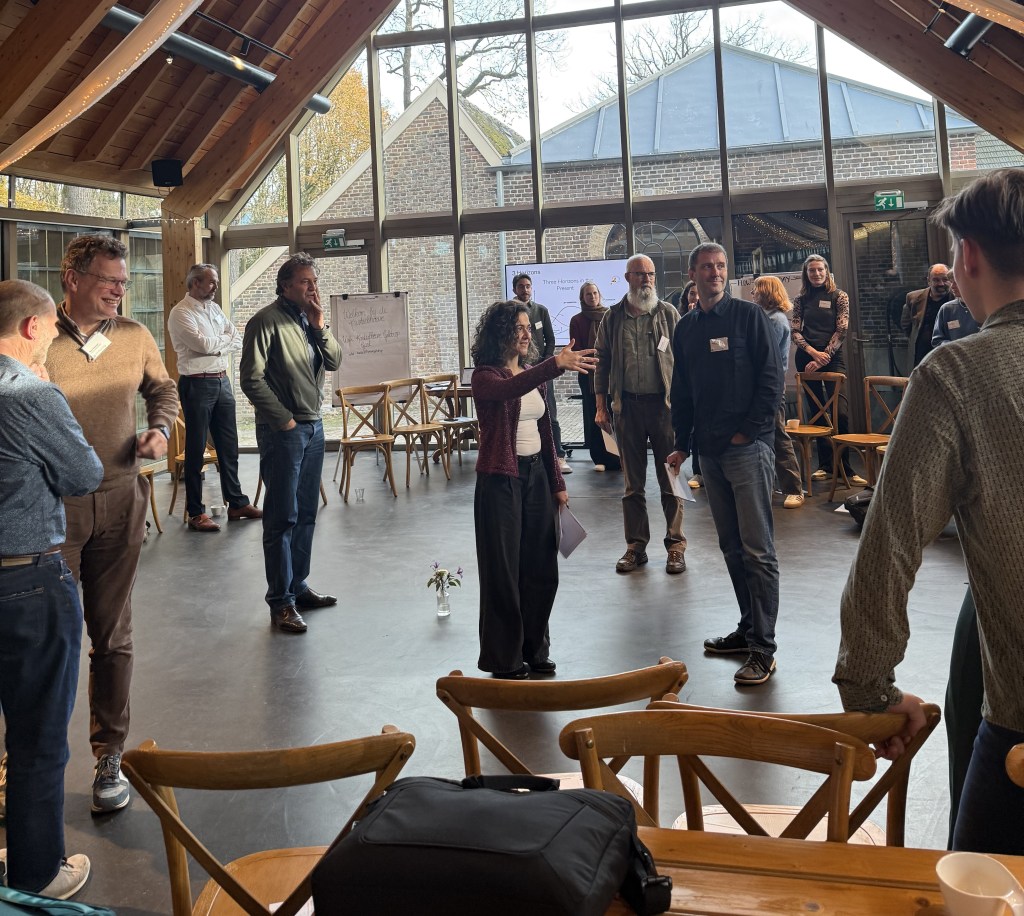
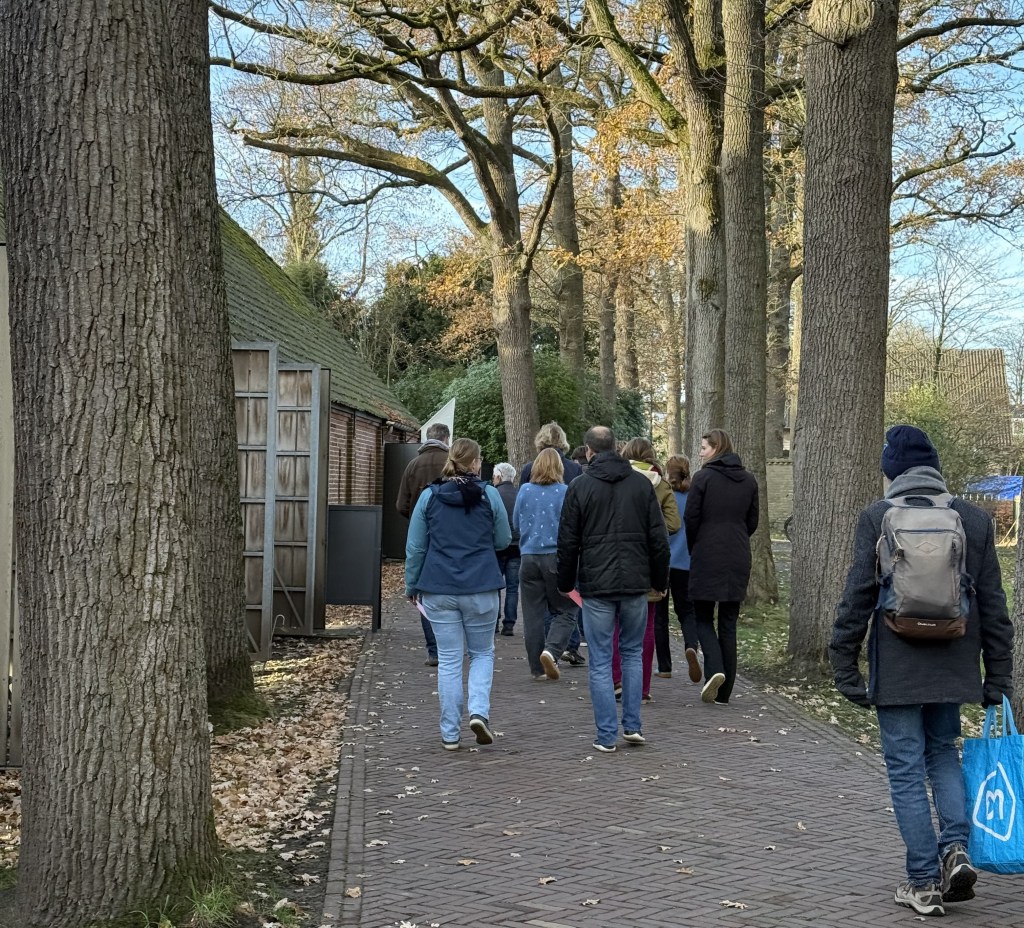
Interactive stakeholder mapping exercise (upper left); Walking activity to create future North Brababant’s newspaper titles (upper right); Group acting on their horizons (lower left); Group using AI to represent a collapse scenario of North Brabant (lower right).
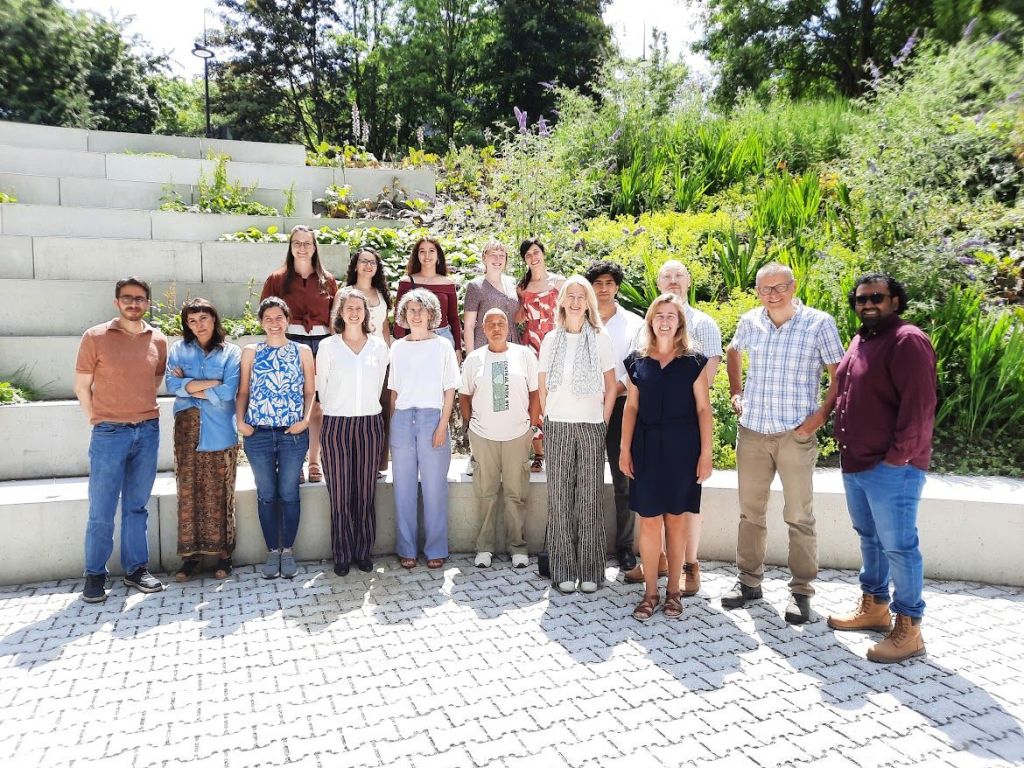
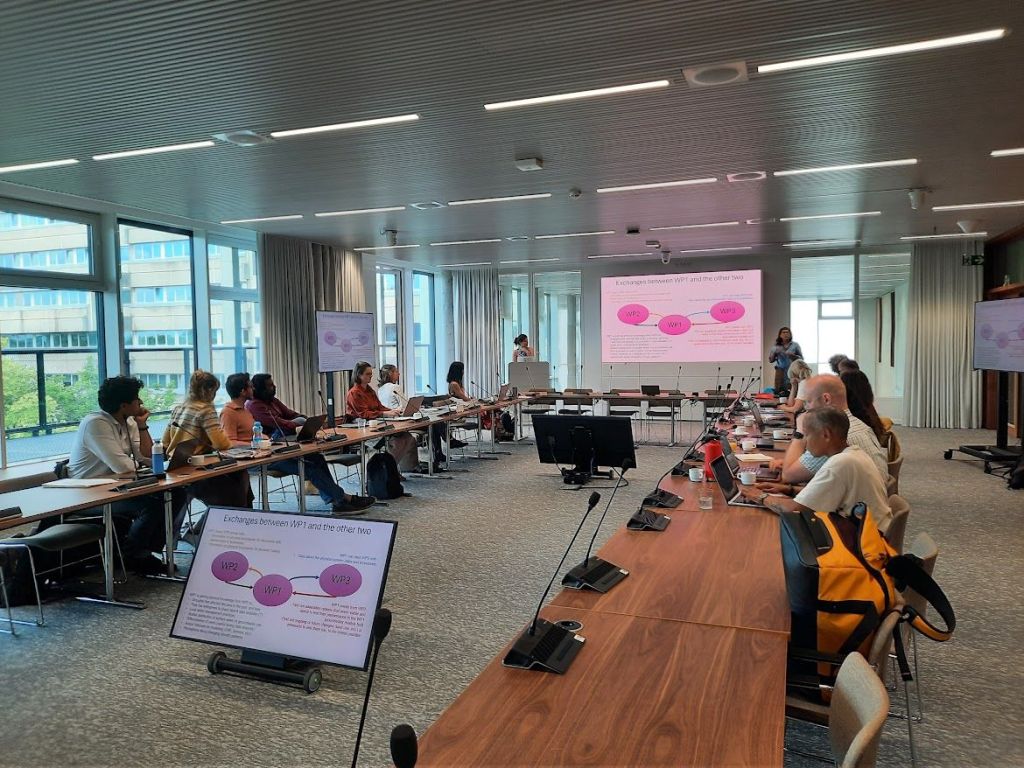
GroundedExtremes’ third in-person meeting (Brussels) 

Between June 17th and 19th, the Belgian project team hosted the third in-person meeting of our project at the Vrije Universiteit Brussel. Once again, we came together to energise and advance our work. 

In Work Package 1 (hydrological processes), which is already at an advanced stage, the case study teams presented progress on groundwater time series modelling and stress testing. We also refined the methodology and defined the goals for a pan-European study on drought drivers. 

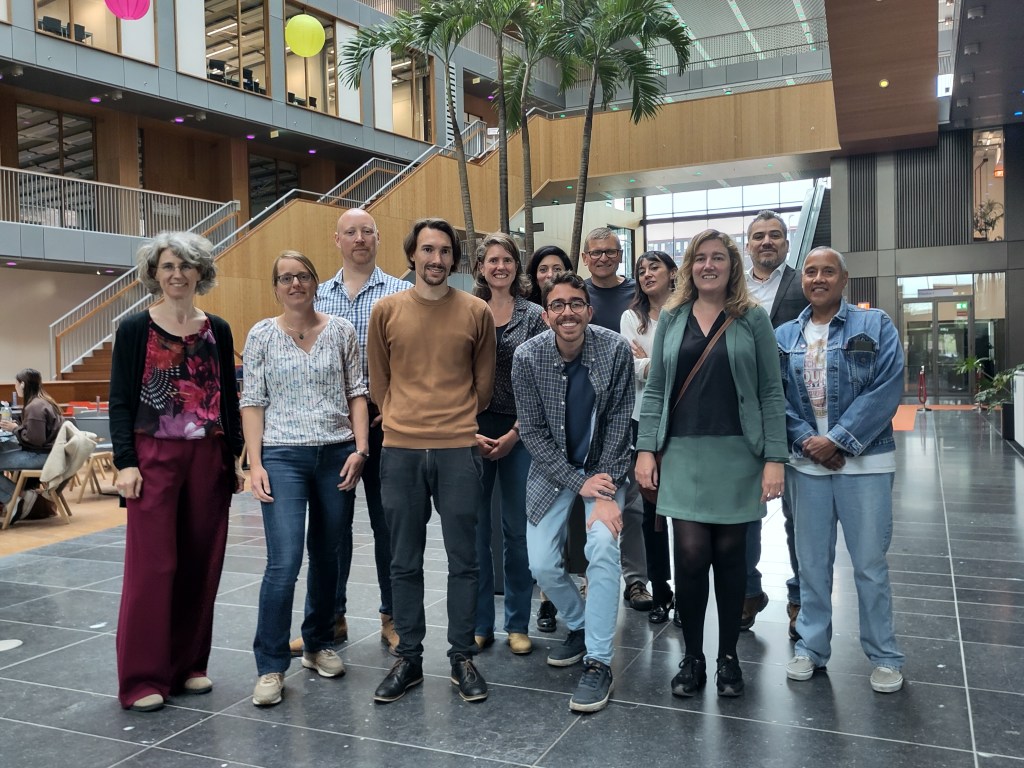
Left: consortium members enjoying a sunny day at Vrije Universiteit Brussel. Right: Session during the in-person meeting to strengthen the links and cohesiveness among WPs.  

In WP2 (governance), we discussed the differences in water governance perspectives across the case studies — from the Netherlands, with a structure distributed among various organisation, to Spain, which features a more concentrated water governance approach. Interestingly, all countries reported how groundwater stewardship was underdeveloped compared to surface water. 

In WP3 (socio-hydrological modelling), we exchanged our conceptual and feedback-loop models designed to explore drought adaptation and its associated trade-offs. We also discussed the technical and methodological opportunities to further develop these models. 

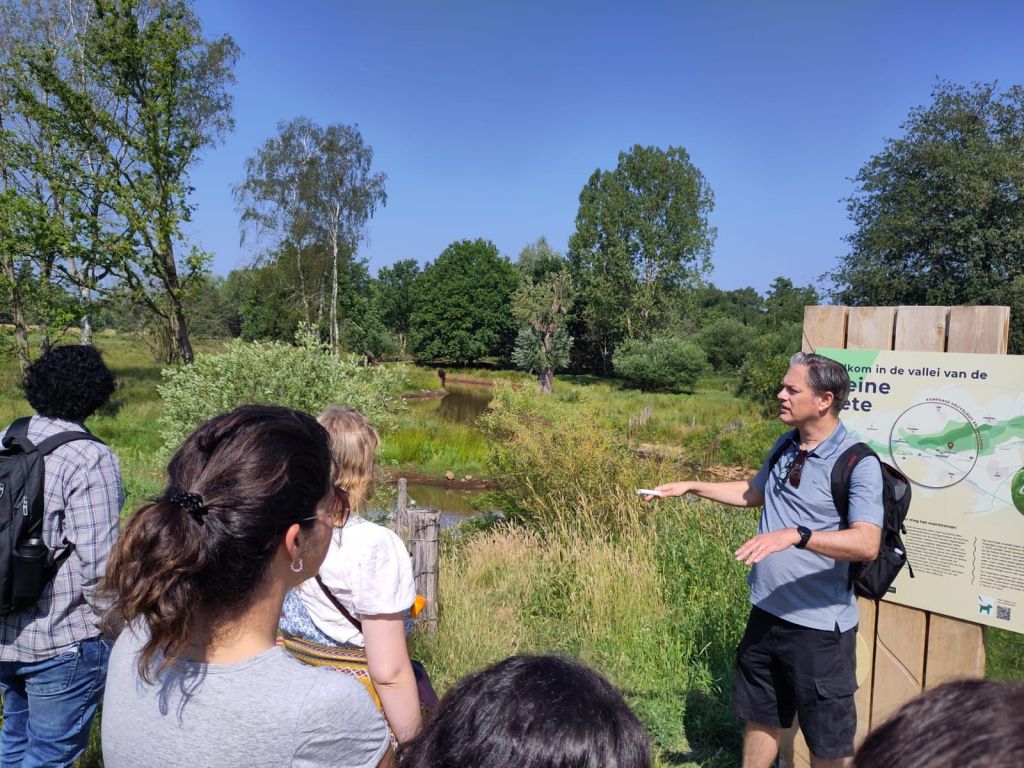
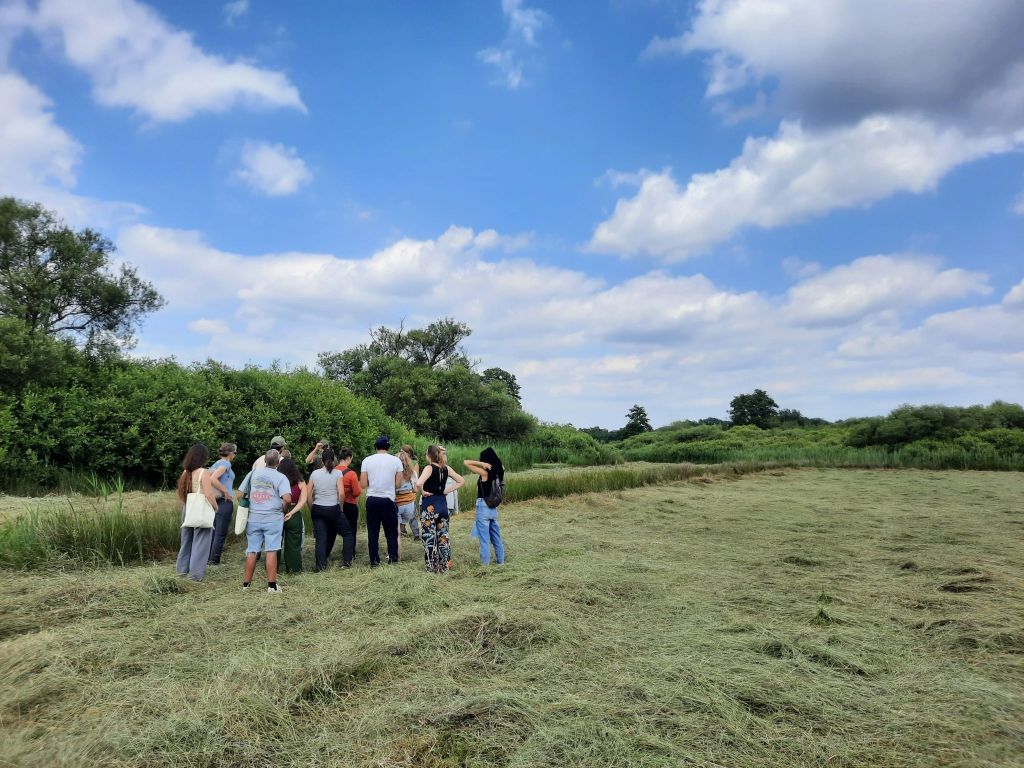
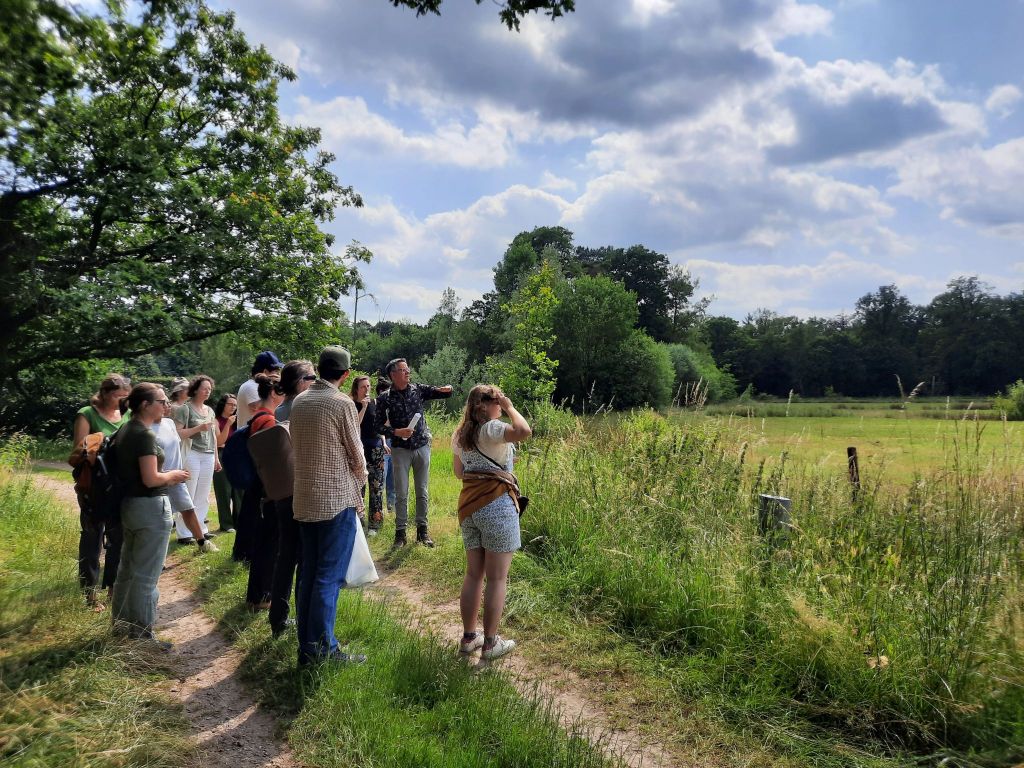
No in-person meeting would be complete without a field visit to ground our research into practice. This time, we visited drought adaptation measures in both Belgium and the Netherlands. In Belgium, the Kleine Nete (or “Small Nete”) provided an opportunity to see how re-naturalising rivers and streams can improve resilience to drought and flooding while supporting biodiversity. In the Netherlands, we gained insights into the use of water for nature and the impacts of drought. We also heard about the trade-offs with other water uses, such as tourism. We concluded our field visit in a “drinking water landscape”, a new concept by the drinking water company Brabant Water in which natural processes are harnessed to ensure high-quality drinking water.  

A look into the Kleine Nete, where Tom of the Vlaamse Milieumaatschappij (VMM) points out how its natural meanders effectively slow water flow and enhance groundwater recharge. 

In this natural area next to the Dommel river, Corine Geujen and Koen Jellema from Natuurmonumenten point to the high abundance of pitrus, a species that signals concerns about water quality. 

Exploring the drinking water landscape of the Grote Heide. Martin de Haan of Brabant Water and Noortje Daamen of Waterschap De Dommel illustrated to us how diverse and sometimes competing water uses — including agriculture, drinking water supply, heritage conservation, and transportation — coexist.  

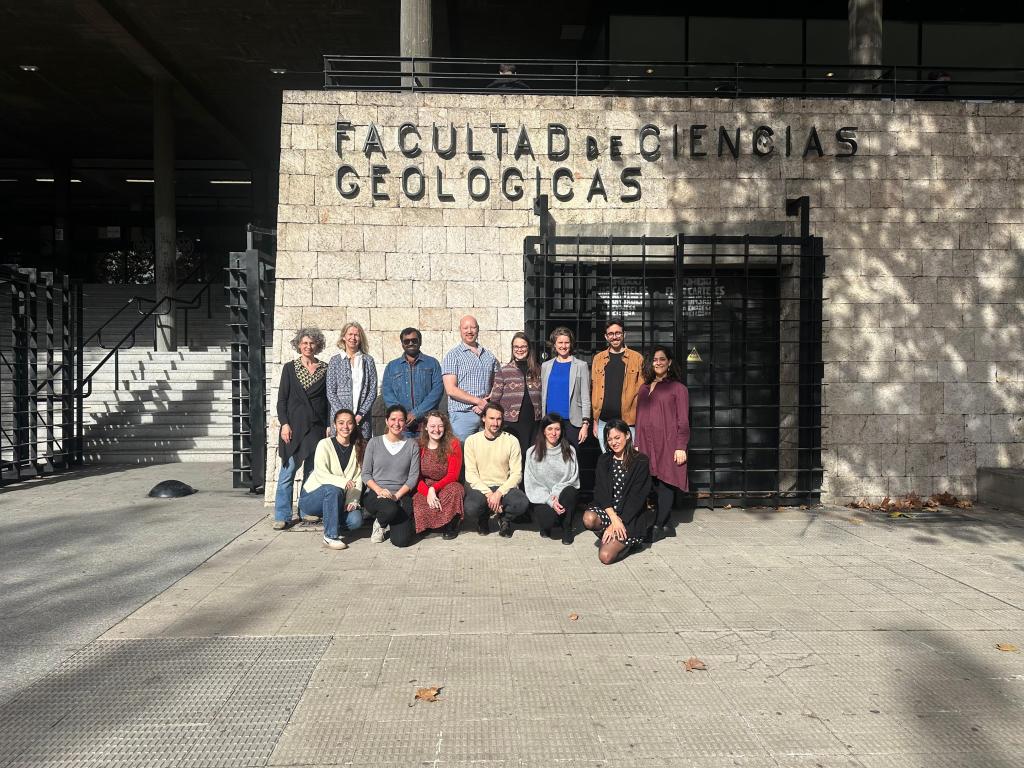
GroundedExtremes’ second in-person meeting (Madrid)

Between November 20th and 22nd, our project hosted its second in-person meeting at the Complutense University of Madrid, in Madrid, Spain. This time, with all the early career researchers fully on board! During the event, we focused on refining the methodology of our work packages. This included technical aspects, such as discussing adaptation measures to incorporate into our models, as well as tailoring interviews and events to engage stakeholders effectively. We also had stimulating discussions on creating a healthy working environment, addressing key topics like gender equality and inclusivity.

Using the theory of change framework, we explored our goals and the intermediate steps necessary to achieve our ultimate impact: supporting a groundwater-informed agenda at various scales, ensuring that unintended consequences of adaptation measures to drought are considered.

On Friday, we visited our case study site in Spain: the Alfamén aquifer area. This region is home to vineyards that produce wine under the Denominación de Origen Cariñena. Groundwater resources are essential for sustaining the region’s intensive agricultural activities, which take place under semi-arid conditions.

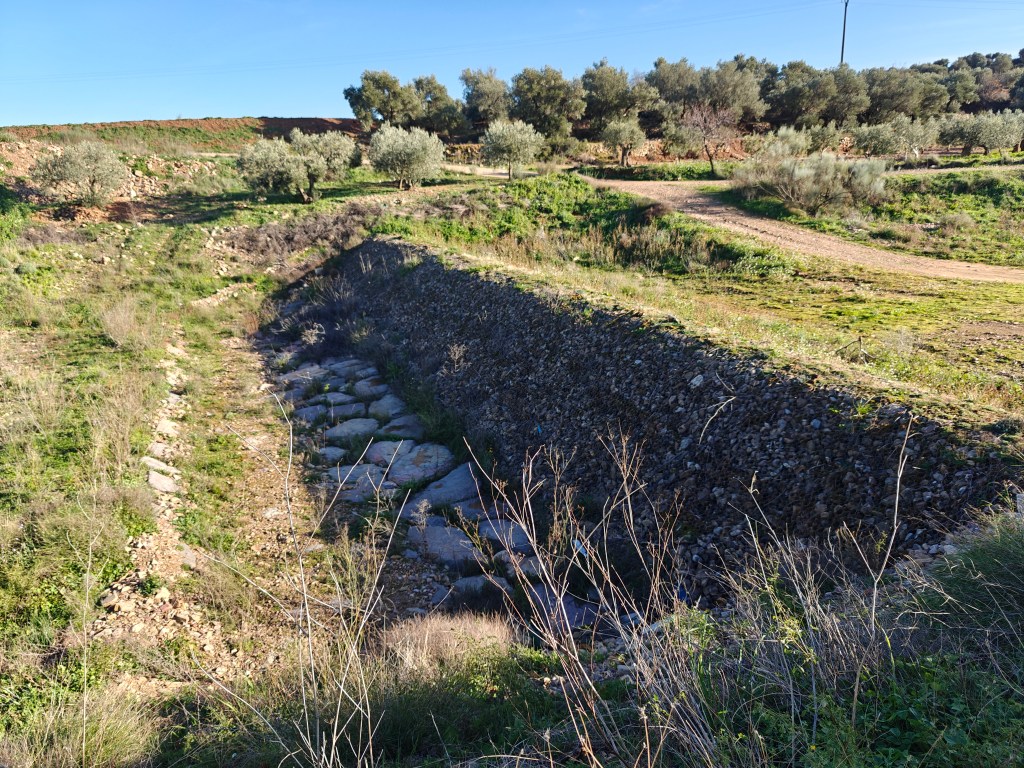
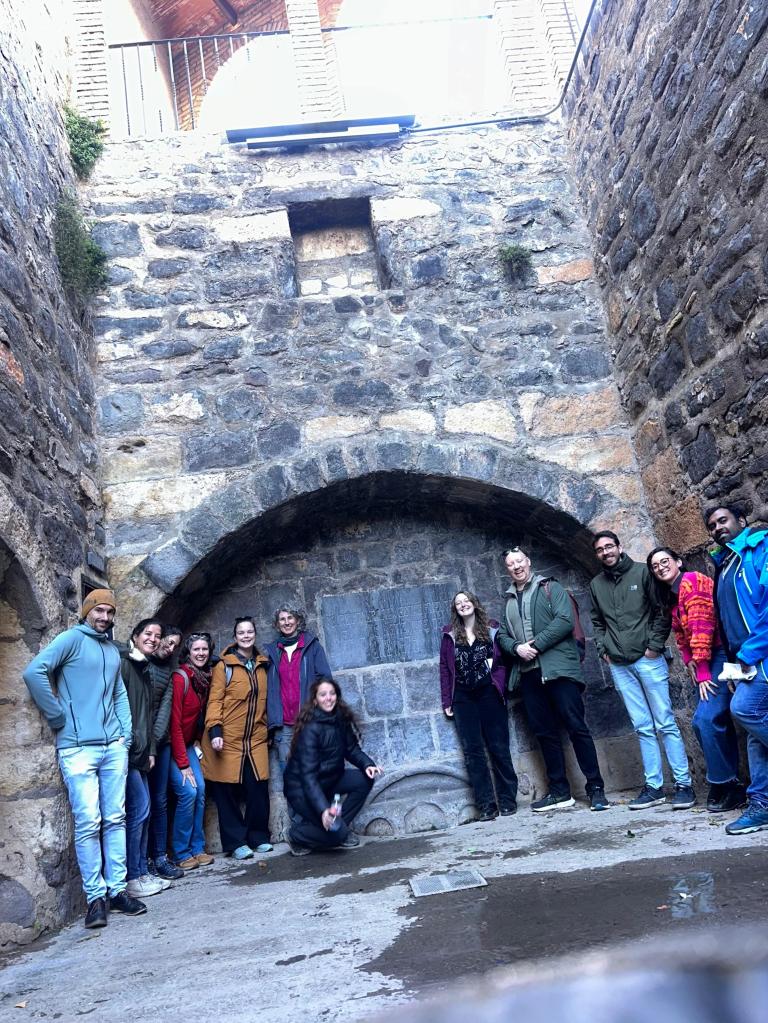
The area also showcased innovative water management systems. For instance, managed aquifer recharge is utilized along some ephemeral streams to enhance water availability, addressing challenges posed by unsustainable irrigation demands. In the city of Calatorao, we visited the Fuente de las Escaleras, a structure of Arab origin dating back to the 10th century. This historical site utilizes a natural spring, which allowed locals to access water directly.

Left: managed aquifer recharge system in an ephemeral river course to enhance recharge. Right: GroundedExtremes’ team at Fuente de las Escaleras, in Calatorao.

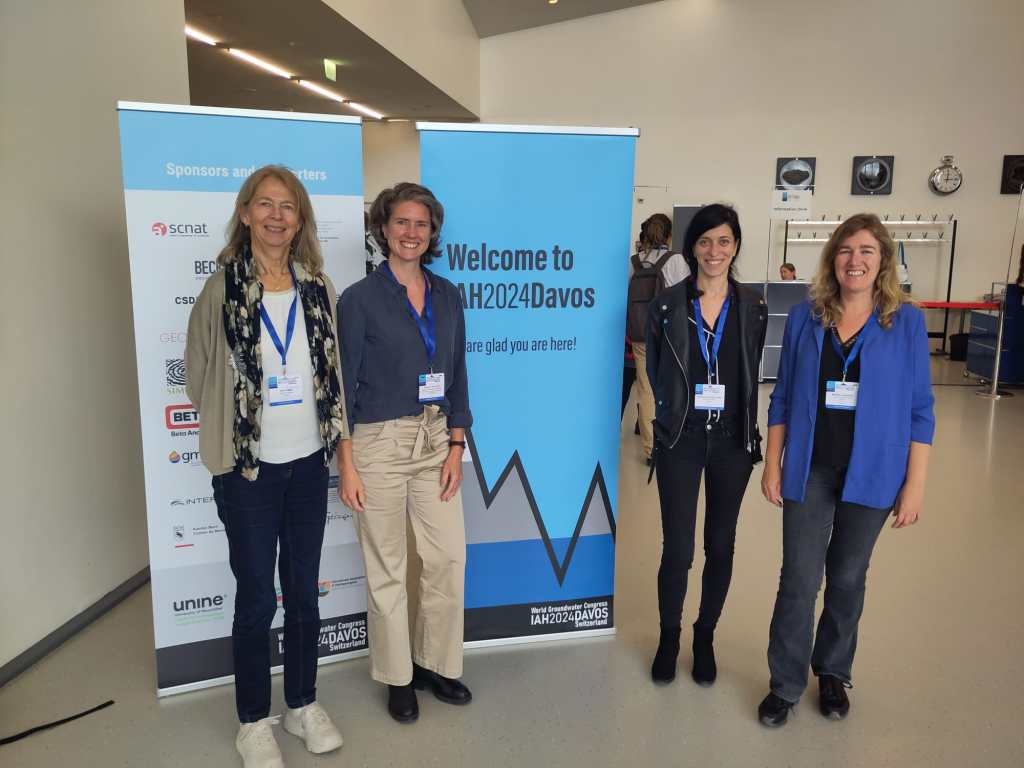
GroundedExtremes’ participation in the World Groundwater Conference 2024

From 8 to 13 September 2024, the World Groundwater Conference 2024 organized by the International Association of Hydrogeologists (IAH) took place in Davos (Switzerland). The event provides a unique opportunity to get a comprehensive update on the latest international developments on groundwater and their relevance for society.

Our consortium members Lena Merete Tallaksen, Anne van Loon, Azucena Rodriguez Yebra, Marijke Huysmans and Daniela Cid Escobar were there to contribute by presenting and participating in both formal and informal discussions. PhD Candidate Anna Luisa Hemshorn de Sánchez from the Vrije Universiteit Amsterdam and Masters student Torkel Andreassen Bjørbæk from the University of Oslo were also there to present some of their work.

The main project contribution was done by Anne. She introduced GroundedExtremes by presenting the plans for the project and sharing some first preliminary results of postdocs Jose Henao Casas and Azucena Rodriguez Yebra​.

In addition, Daniela presented the results of her doctoral thesis and Lena’s student Torkel Andreassen Bjørbæk presented his master’s thesis on trends in groundwater levels in undisturbed catchments in Norway, shown in the picture.

A key takaway was that, regardless of hydrological background, there is a significant overlap between disciplines. Both hydrogeologists and hydrologists face common challenges related to freshwater availability—whether it’s groundwater or surface water—and use similar methodologies to address them. The critical focus for all is understanding the impact of human activities and climate change on these vital water resources.

GroundedExtremes Kick-off Meeting

We have successfully held our GroundedExtremes kick-off meeting between the 18 and 19 of June!

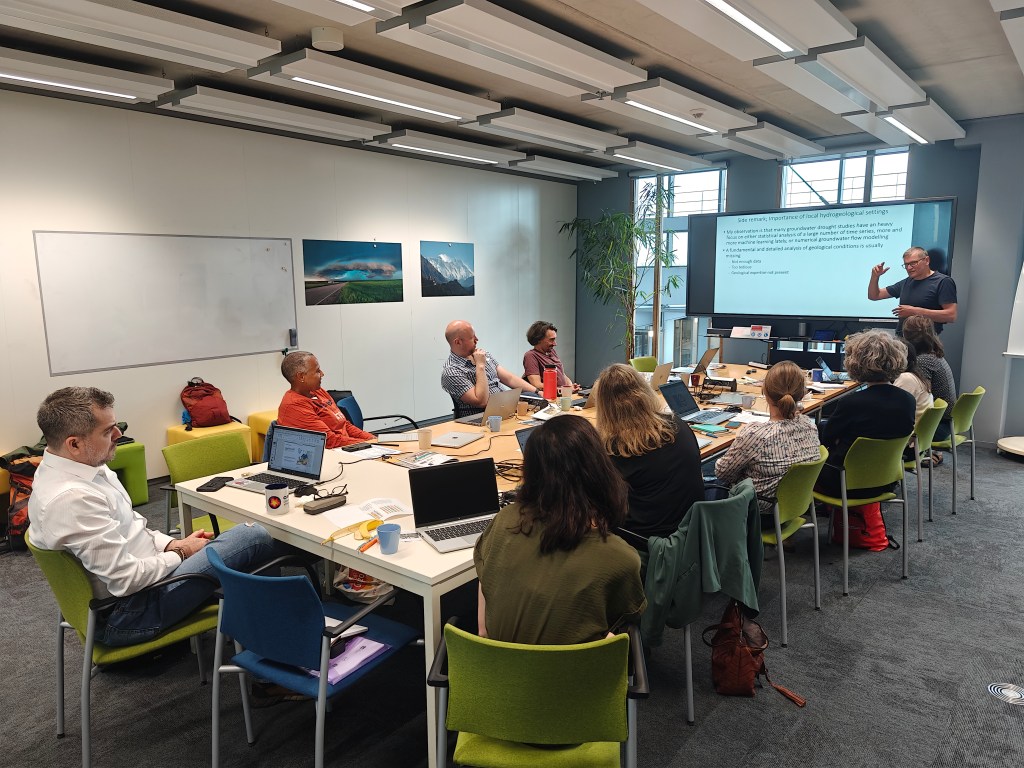
During the event, we held sessions on diverse themes and engage in insighful conversations. Is what people experience as drought the same that we scientists and researchers conceive with the term? How do stakeholders in the case studies deal with droughts? Using reactive (short-term) or proactive (long-term) measures? What are system dynamics models, and how can we best use them? Discussions on these topics and more practical matters made the event very enriching and set the course for the upcoming three years. 


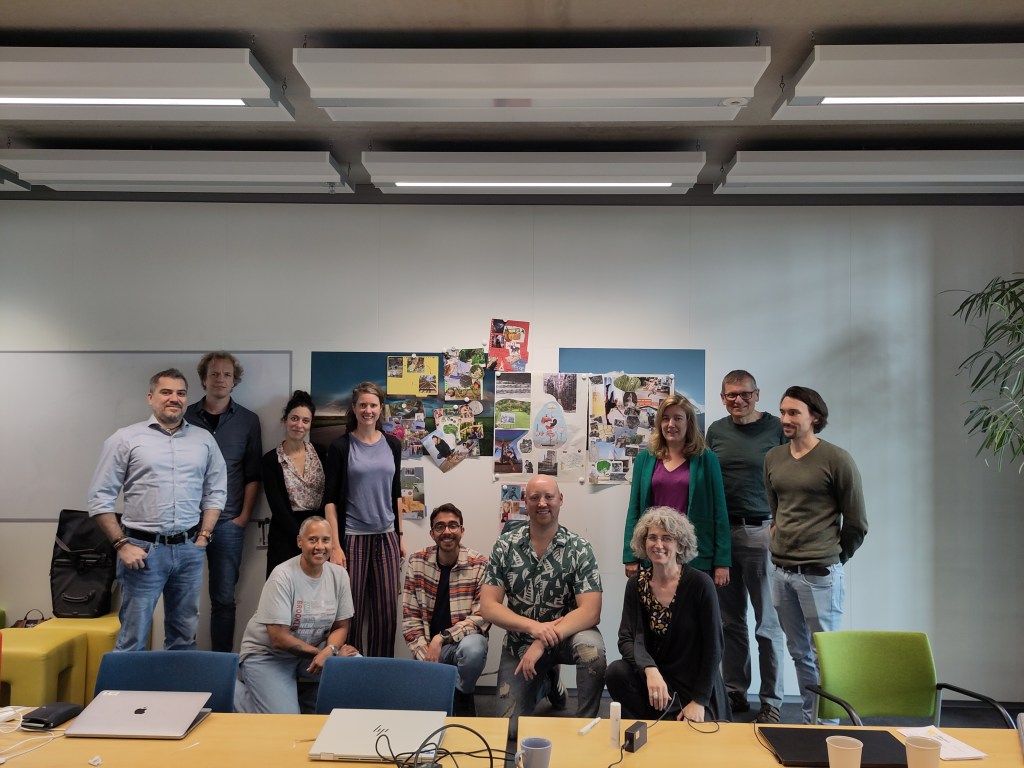
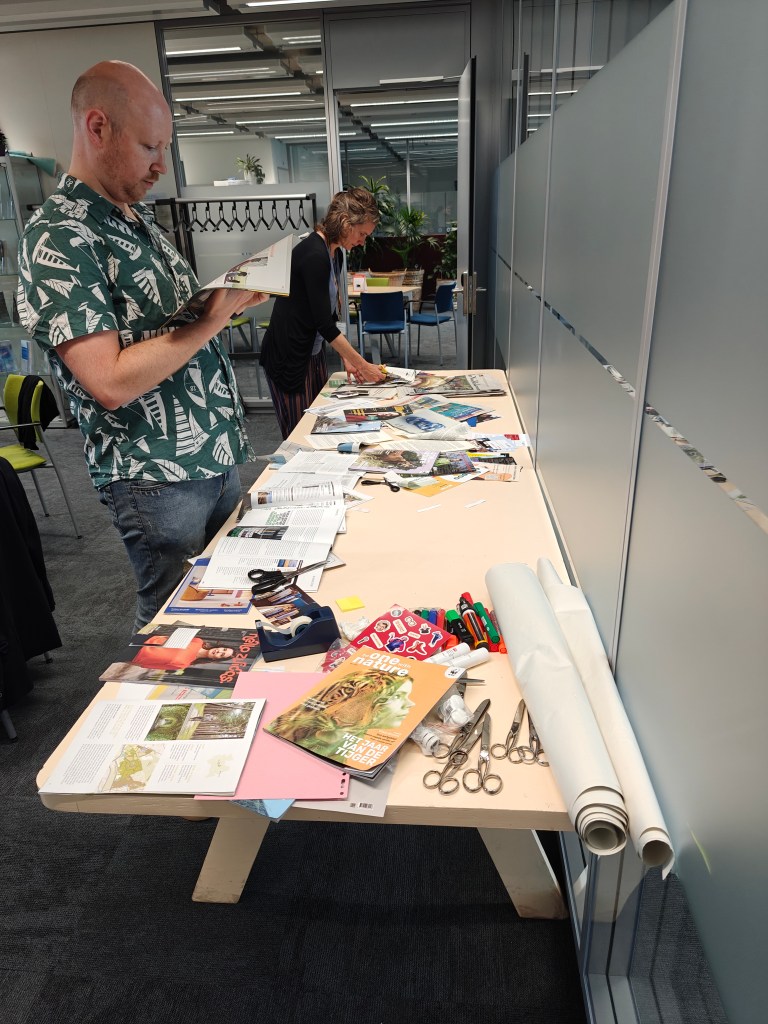
Recognizing that we are not solely rational beings, we also engaged in a creative journey during the event, using collages as a canvas to express our thoughts and feelings.


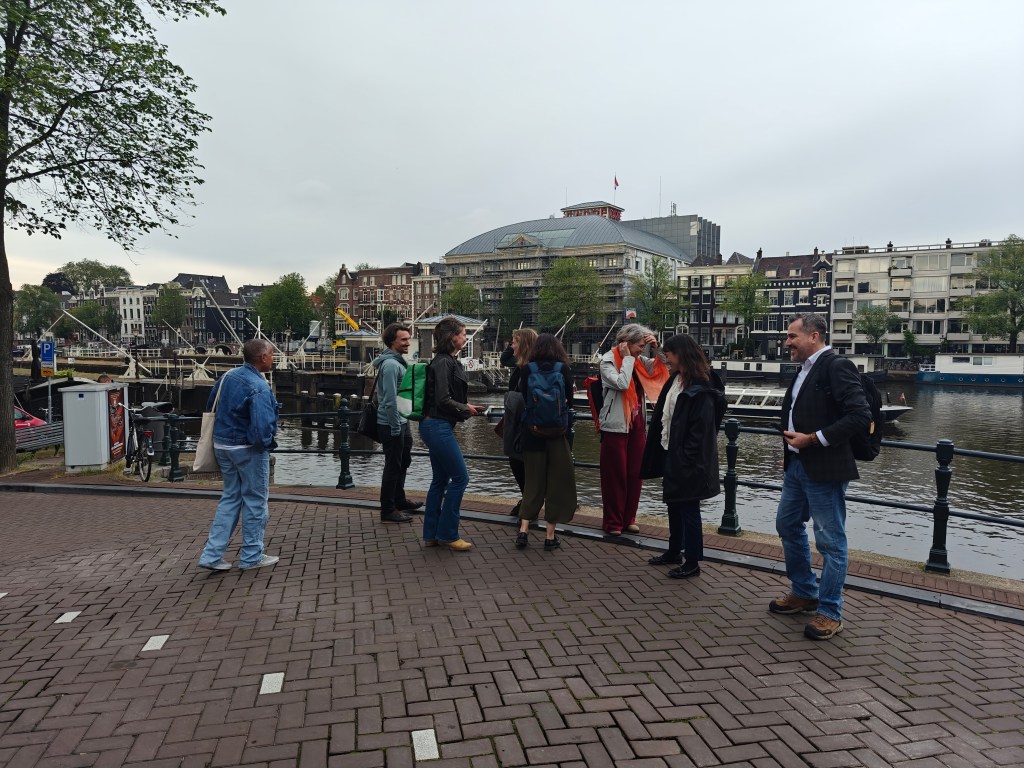
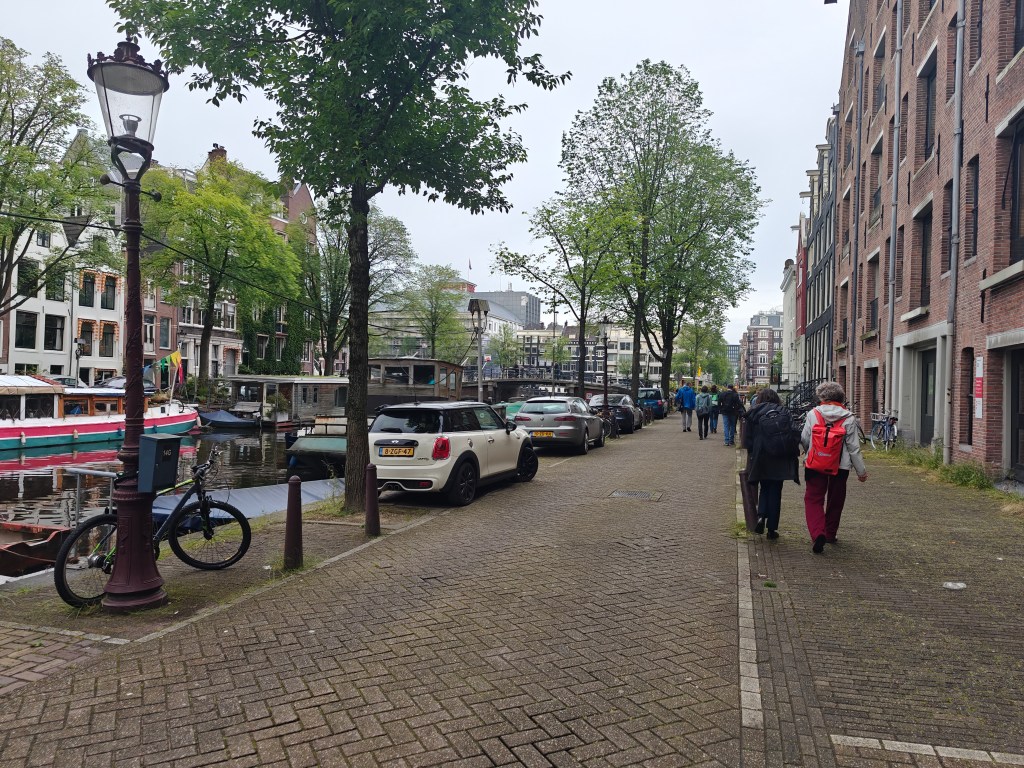
The vibrant and picturesque city of Amsterdam, well-endowed for many centuries to deal with water, served as an ideal location to start our project.  

Our Kick-off Meeting is Coming Soon

We are excited to announce the kick-off meeting for the GroundedExtremes Project, taking place on June 18-19, 2024, at the Vrije Universiteit Amsterdam. This event will bring together representatives from 9 institutions to collaborate on this important research project.

During the meeting, we will focus on key aspects of the project, including administration, work packages, and case studies. This gathering marks the beginning of our collective efforts to drive forward adaptation to hydrological extremes from a groundwater perspective.

Stay tuned for updates as we embark on this journey together!