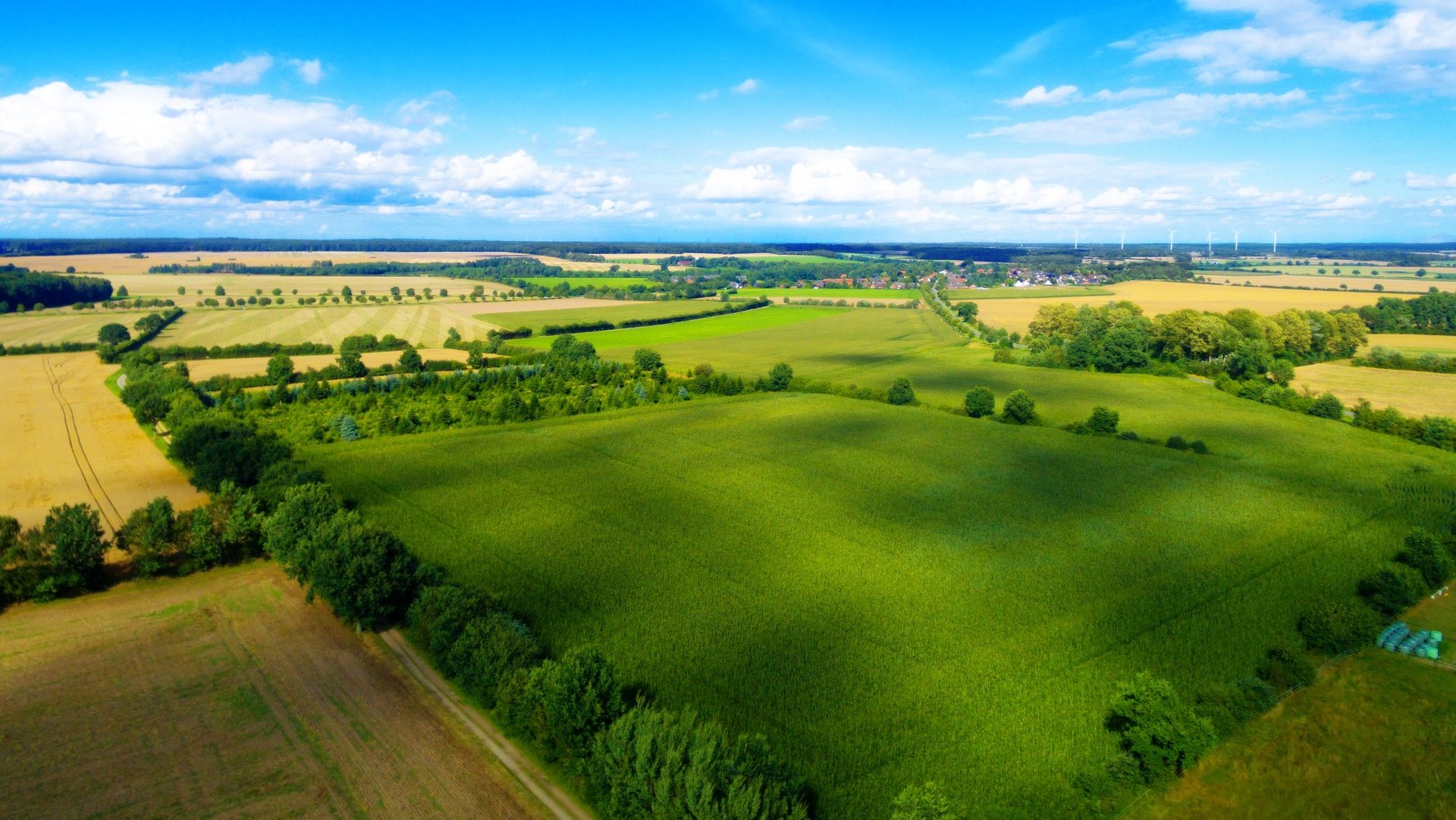
Case Studies
The GroundExtremes project aims to study and compare groundwater dynamics, management and governance in four case studies: Spain, the Netherlands, Belgium, and Sweden. The case studies represent regions with different climates and a gradient in water scarcity, experiencing different types and severity of drought impacts, and with unique regulations in place to cope with droughts and manage groundwater
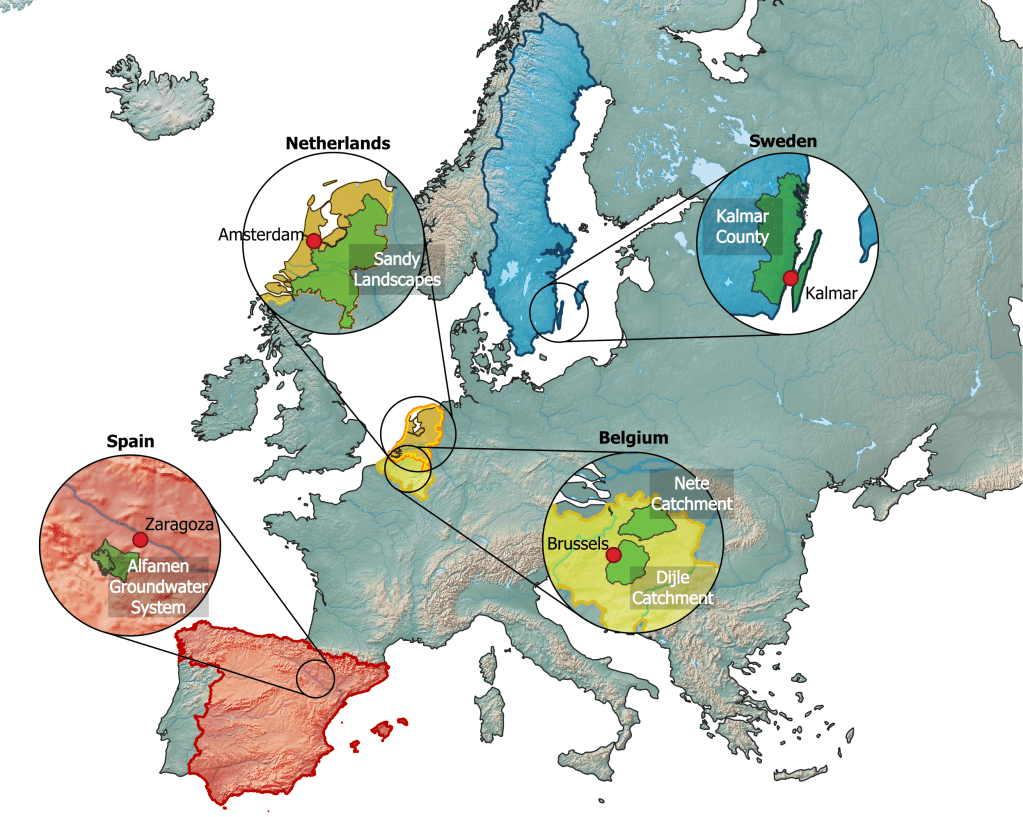
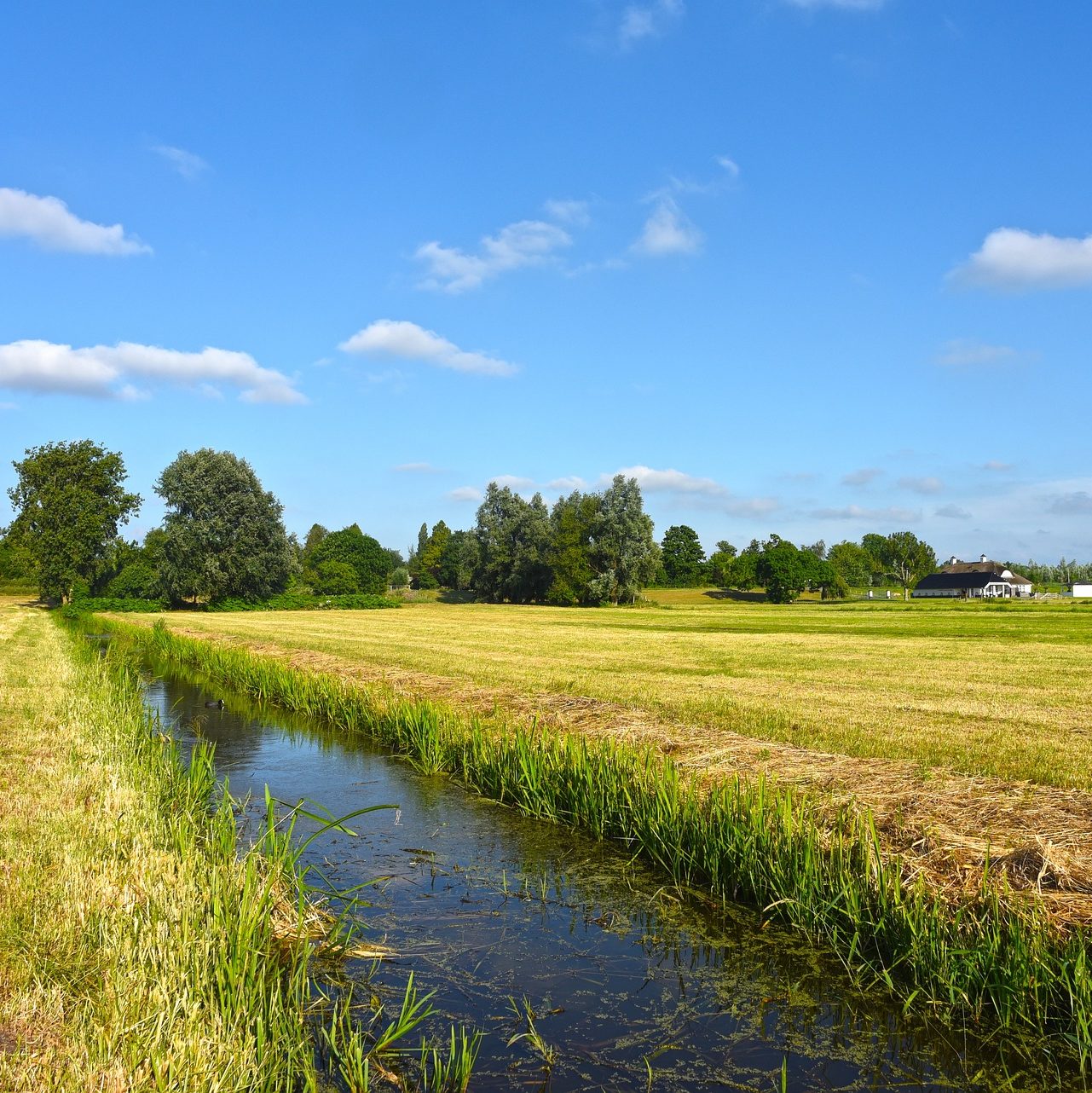
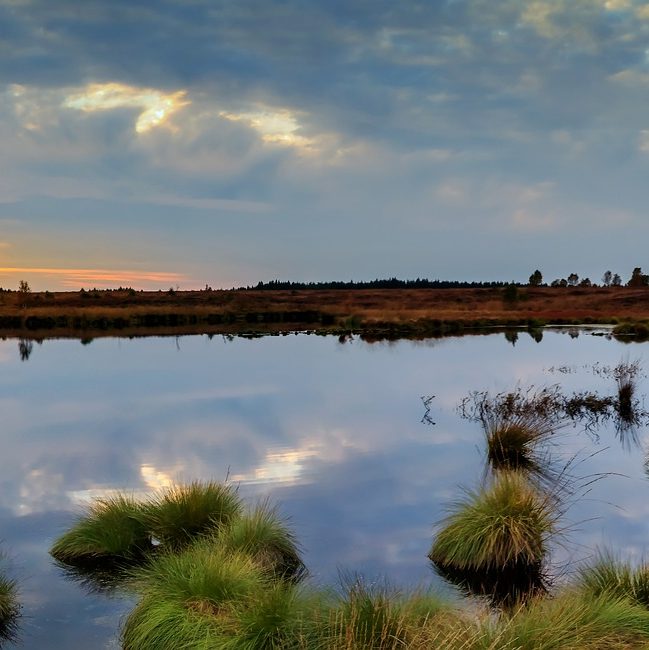
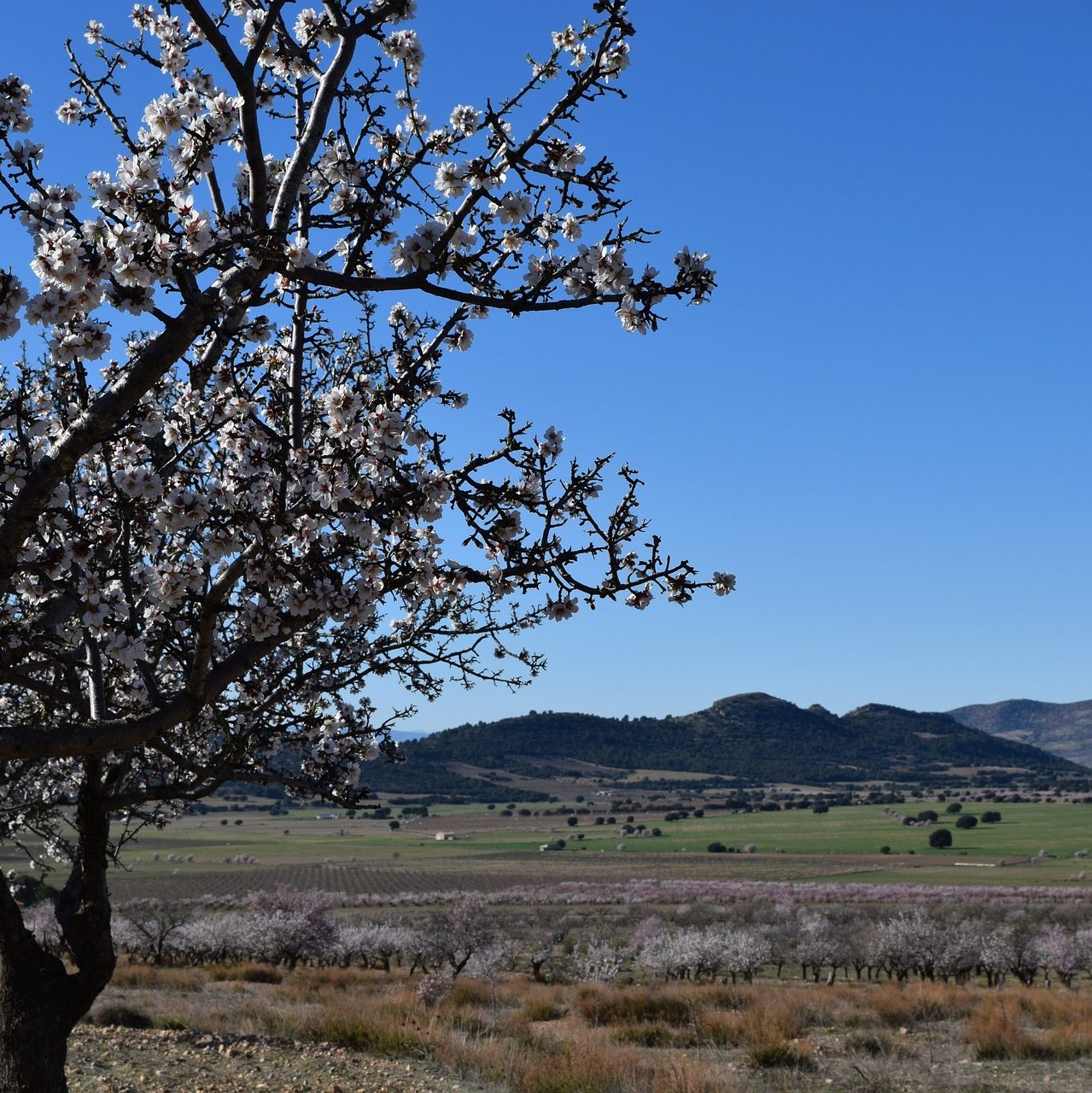
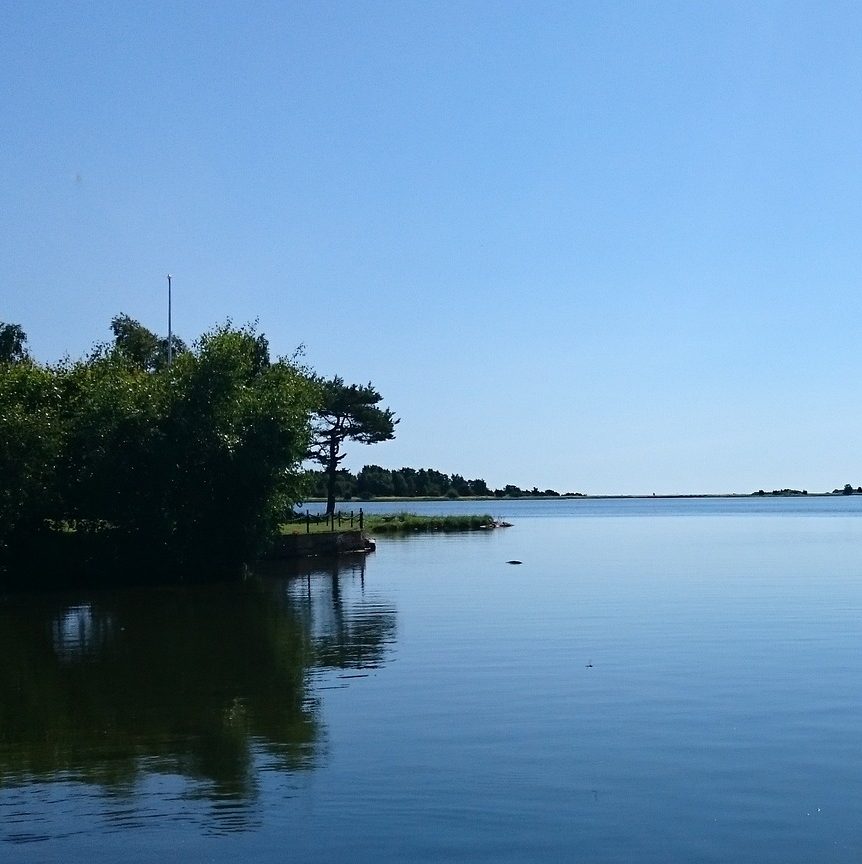
In Belgium, Netherlands, and Spain, groundwater is predominantly abstracted for drinking water supply and agriculture. In Sweden, the sparsed aquifer meet nearly all water demands of small towns (< 3,000 inhabitants).)In all locations nature and groundwater-dependent ecosystems are highly relevant, especially in light of the European Water Framework Directive.
The aquifers involved in GroundedExtremes face diverse challenges. In all cases, there are knowledge gaps regarding groundwater resources, although at different extents. For example, in Kalmar, groundwater systems require more monitoring and characterisation data, while in the Netherlands, some existing models can benefit from refining surface and groundwater interaction.
Moreover, in Kalmar County, aquifers can run dry after a dry winter or under high drinking water demand, which might be worsened by an expected decrease in precipitation and an increase in temperature due to climate change. In Alfamen, the Miocene (intermediate) aquifer is overexploited due to irrigation abstractions. In Belgium, the Dijle catchment shows decreasing groundwater levels, while the main driver remains uncertain. In the sandy landscape of the Netherlands and the case studies in Belgium, the legacy of adaption to wet conditions increases the risk of drought, which is becoming more frequent under global warming.

Coordination
Department of Water and Climate Risk,
Institute for Environmental Studies (IVM),
Vrije Universiteit Amsterdam,
The Netherlands
 GroundedExtremes