Between June 17th and 19th, the Belgian project team hosted the third in-person meeting of our project at the Vrije Universiteit Brussel. Once again, we came together to energise and advance our work.
In Work Package 1 (hydrological processes), which is already at an advanced stage, the case study teams presented progress on groundwater time series modelling and stress testing. We also refined the methodology and defined the goals for a pan-European study on drought drivers.
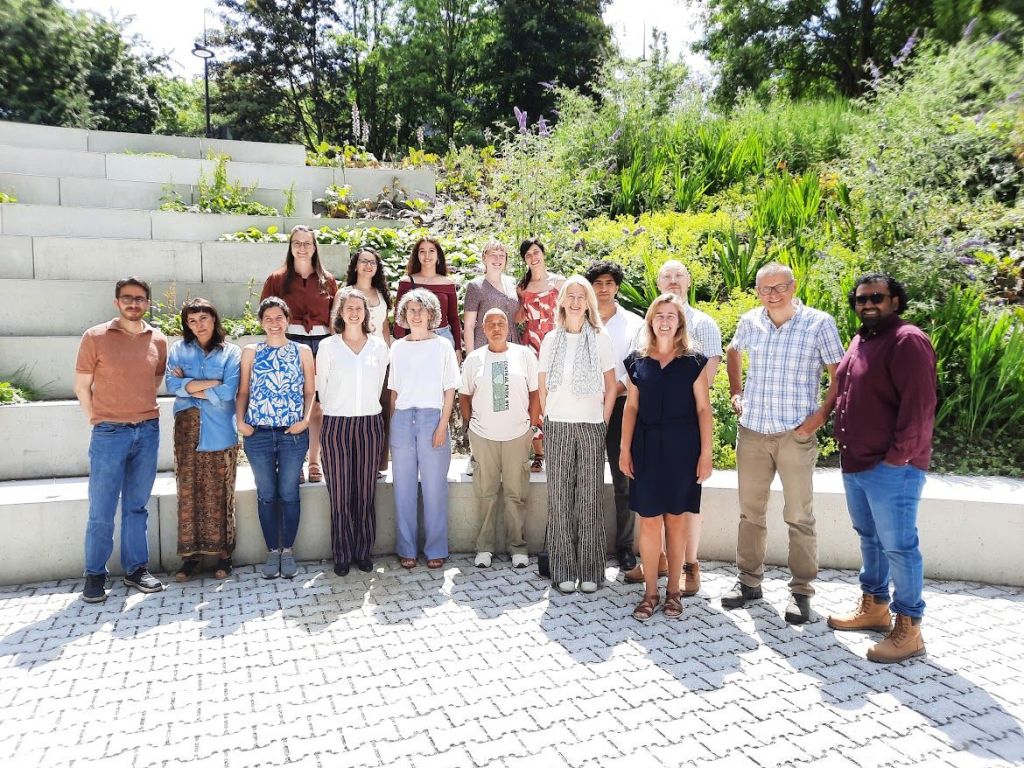
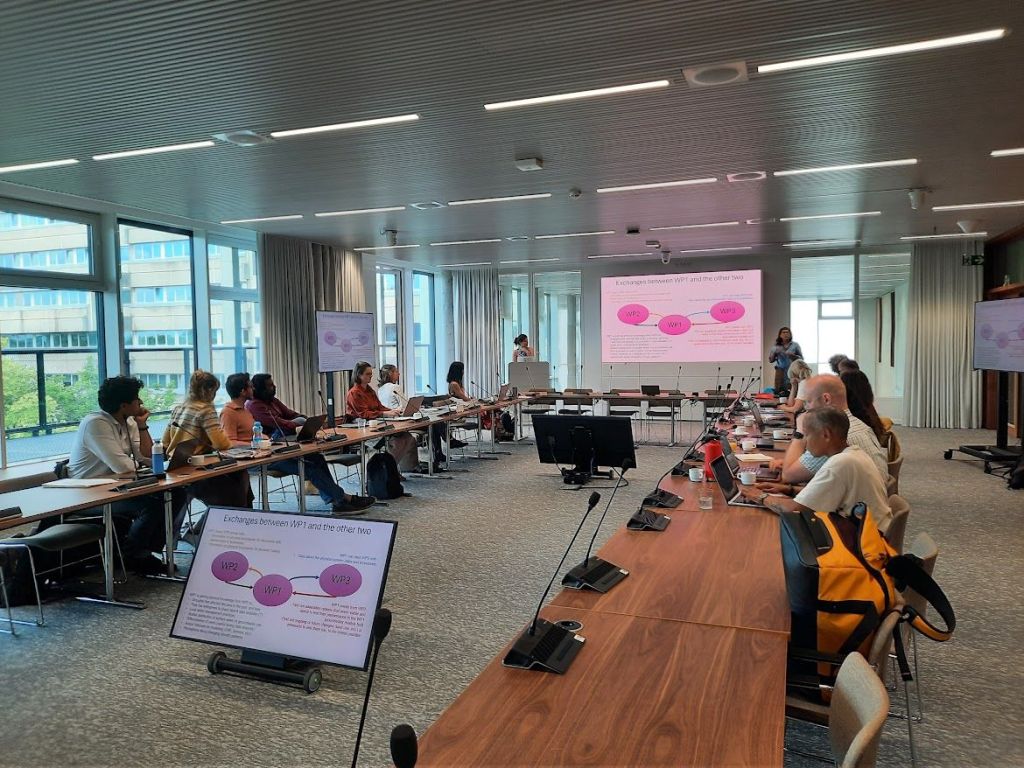
Left: consortium members enjoying a sunny day at Vrije Universiteit Brussel. Right: Session during the in-person meeting to strengthen the links and cohesiveness among WPs.
In WP2 (governance), we discussed the differences in water governance perspectives across the case studies — from the Netherlands, with a structure distributed among various organisation, to Spain, which features a more concentrated water governance approach. Interestingly, all countries reported how groundwater stewardship was underdeveloped compared to surface water.
In WP3 (socio-hydrological modelling), we exchanged our conceptual and feedback-loop models designed to explore drought adaptation and its associated trade-offs. We also discussed the technical and methodological opportunities to further develop these models.
No in-person meeting would be complete without a field visit to ground our research into practice. This time, we visited drought adaptation measures in both Belgium and the Netherlands. In Belgium, the Kleine Nete (or “Small Nete”) provided an opportunity to see how re-naturalising rivers and streams can improve resilience to drought and flooding while supporting biodiversity. In the Netherlands, we gained insights into the use of water for nature and the impacts of drought. We also heard about the trade-offs with other water uses, such as tourism. We concluded our field visit in a “drinking water landscape”, a new concept by the drinking water company Brabant Water in which natural processes are harnessed to ensure high-quality drinking water.
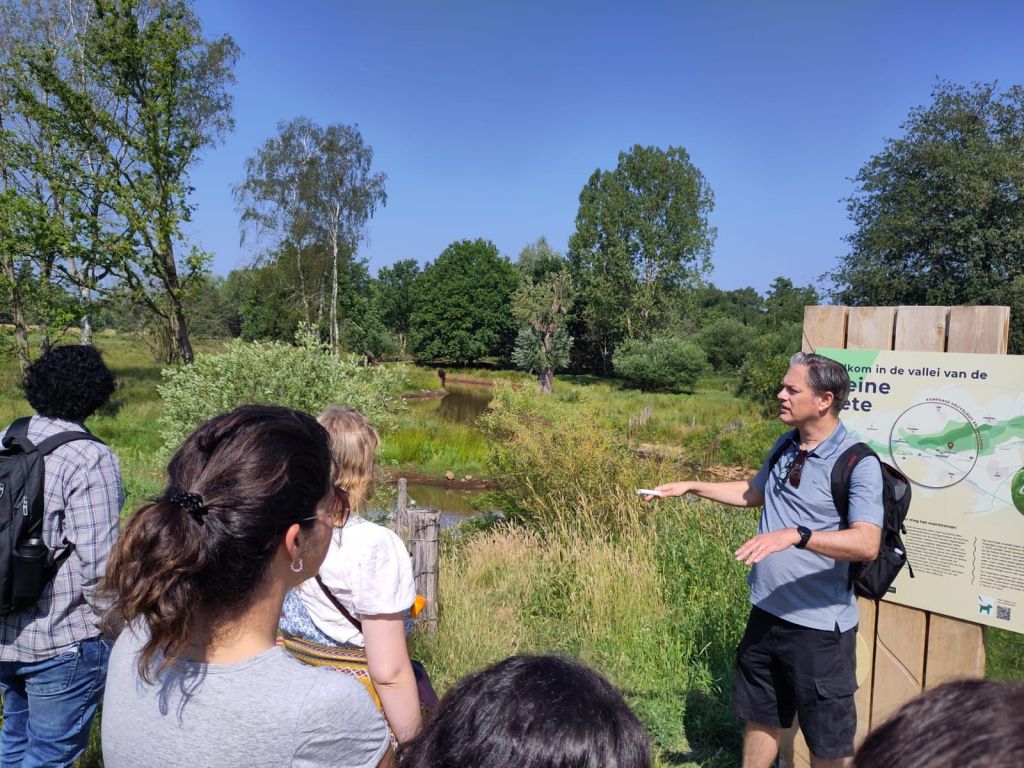
A look into the Kleine Nete, where Tom of the Vlaamse Milieumaatschappij (VMM) points out how its natural meanders effectively slow water flow and enhance groundwater recharge.
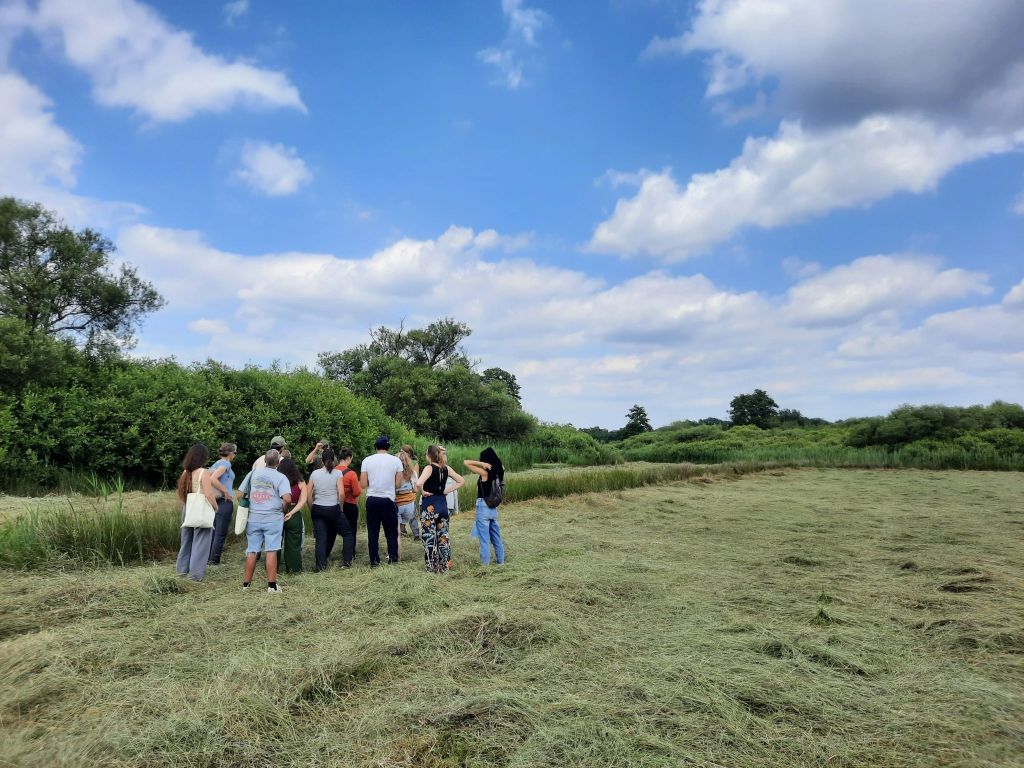
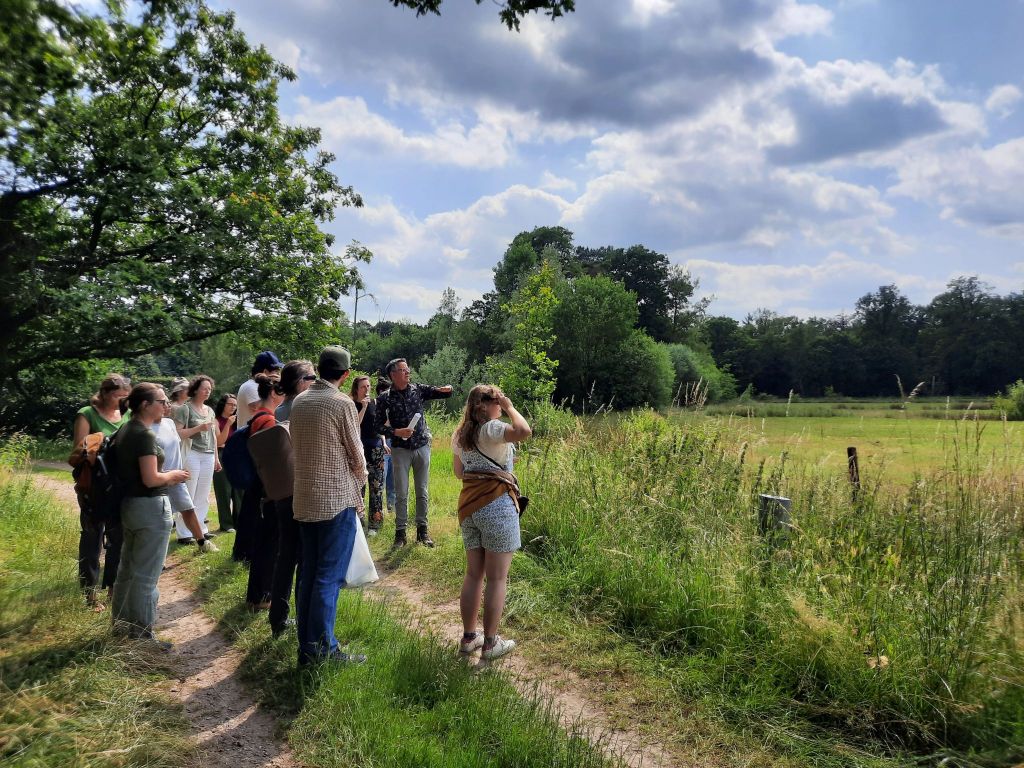
In this natural area next to the Dommel river, Corine Geujen and Koen Jellema from Natuurmonumenten point to the high abundance of pitrus, a species that signals concerns about water quality.
Exploring the drinking water landscape of the Grote Heide. Martin de Haan of Brabant Water and Noortje Daamen of Waterschap De Dommel illustrated to us how diverse and sometimes competing water uses — including agriculture, drinking water supply, heritage conservation, and transportation — coexist.
 GroundedExtremes